Our legacy
What thirty years of cooking have left behind.
The dates that matter, what the press wrote, what students say, and the classes in pictures.
Milestones.
1995Brocfontaine
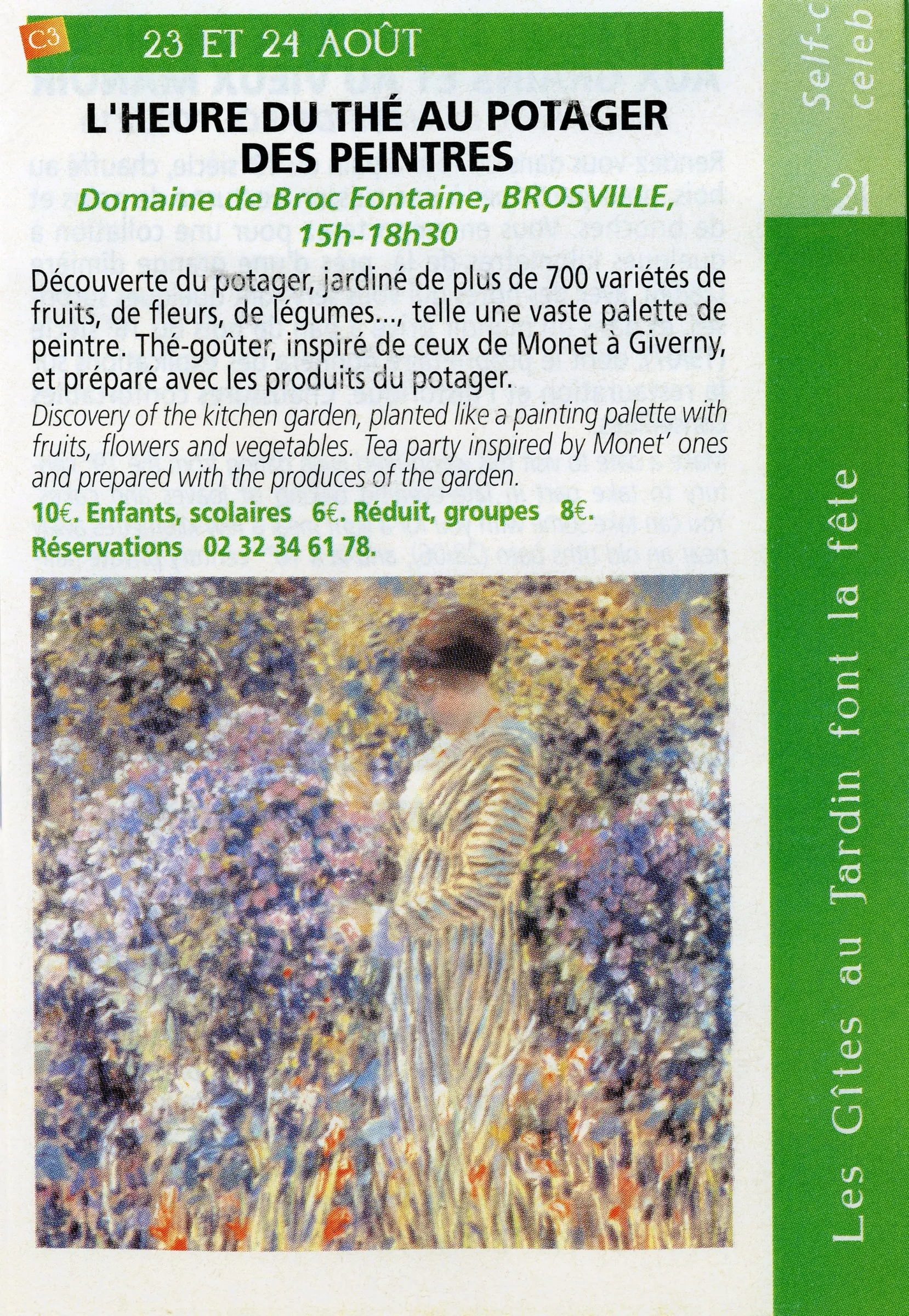
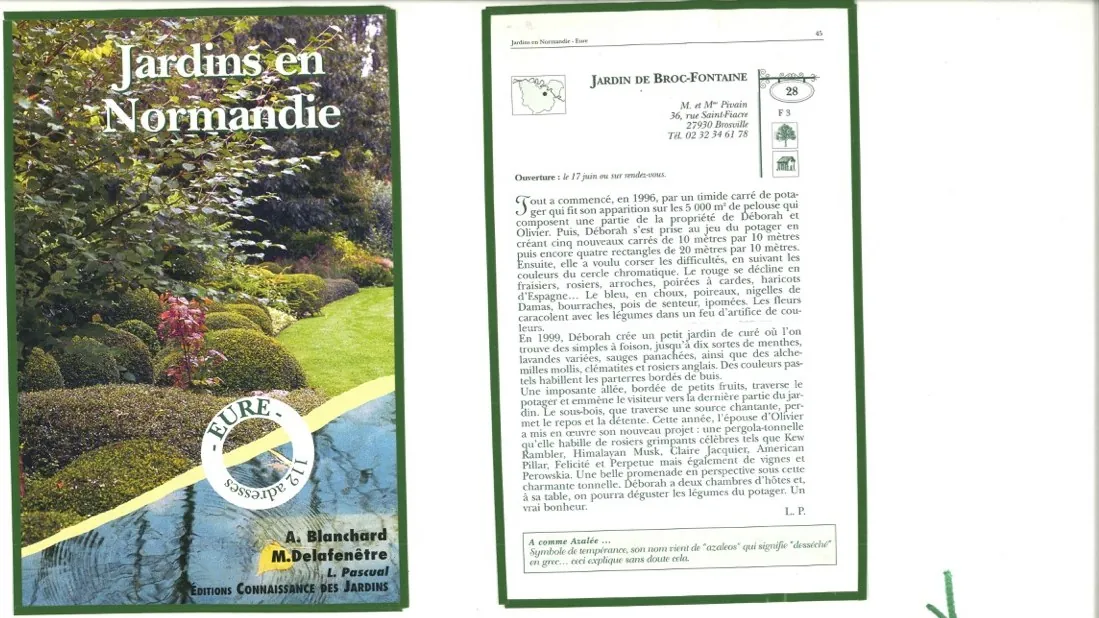
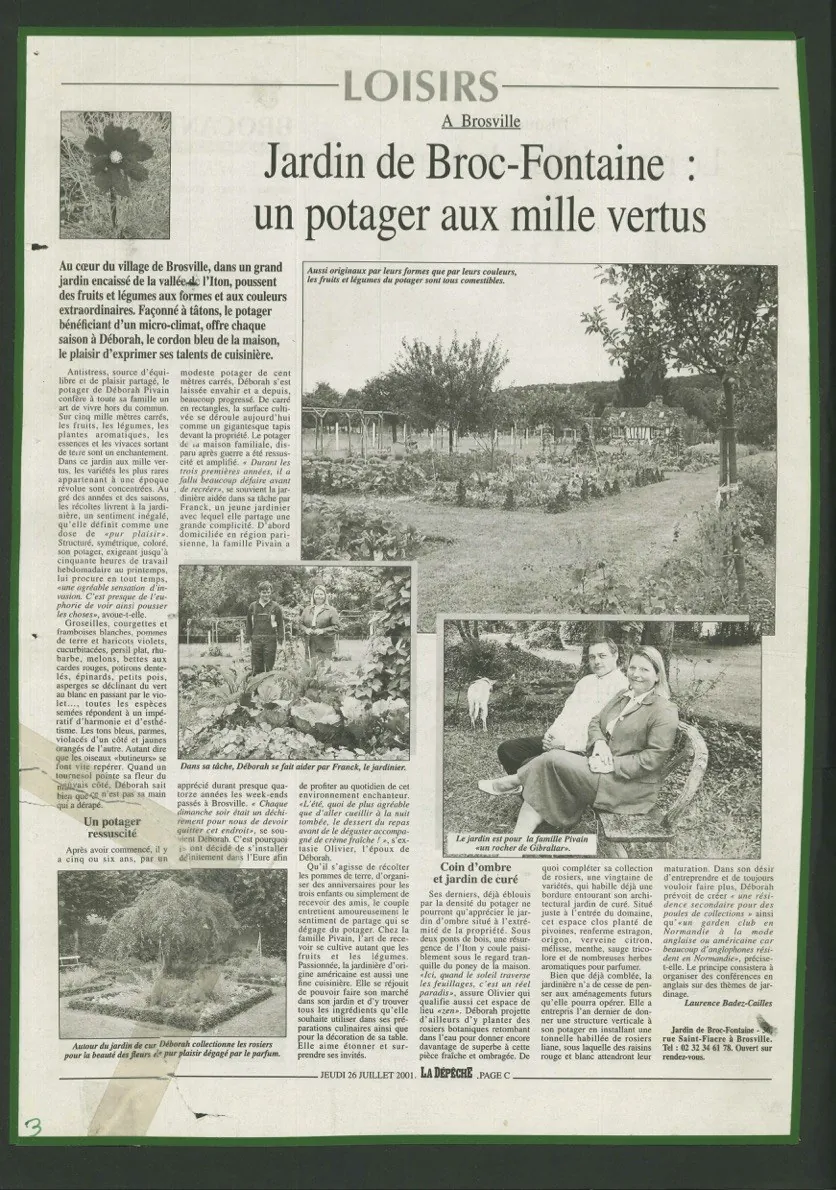
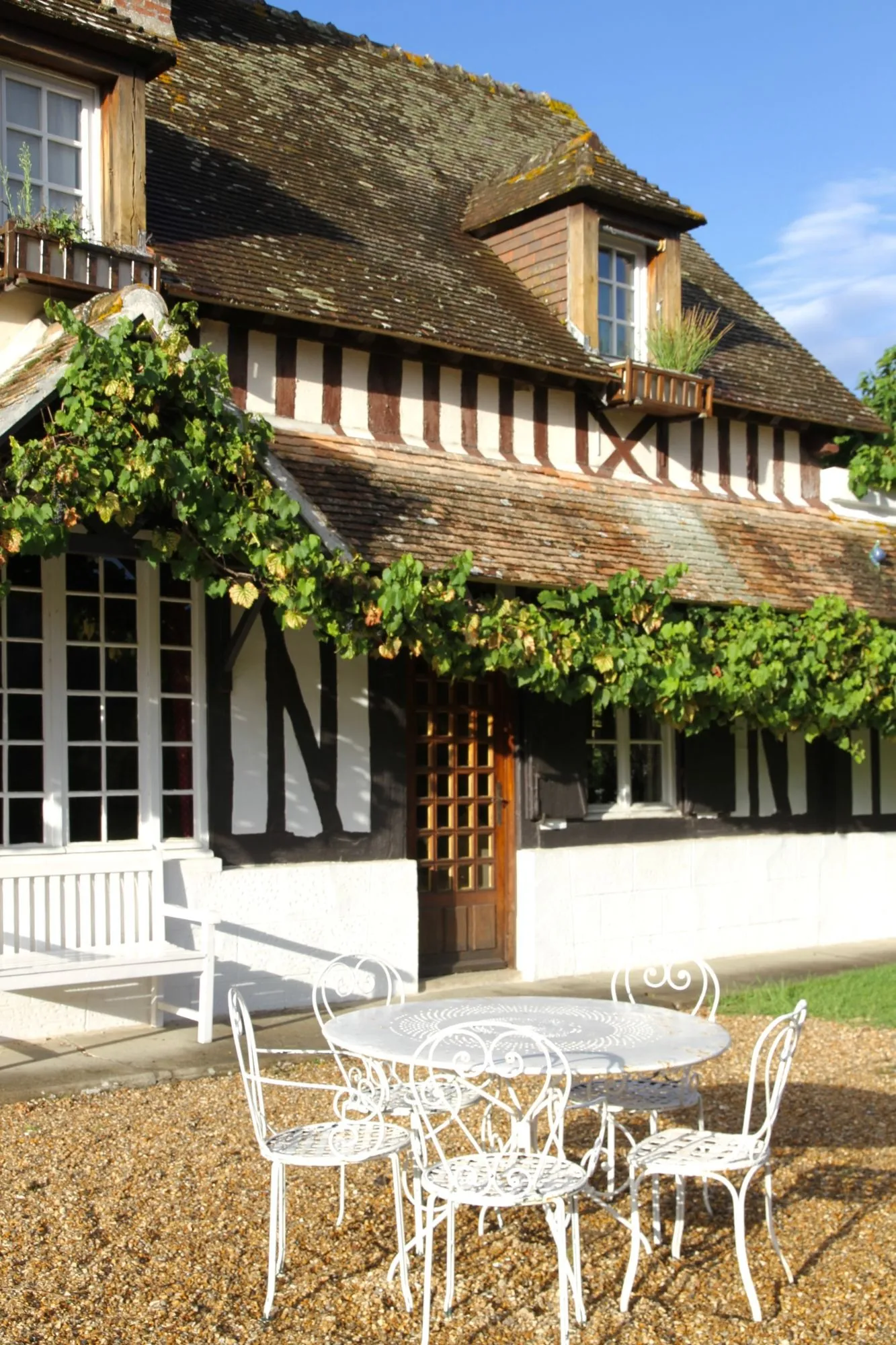
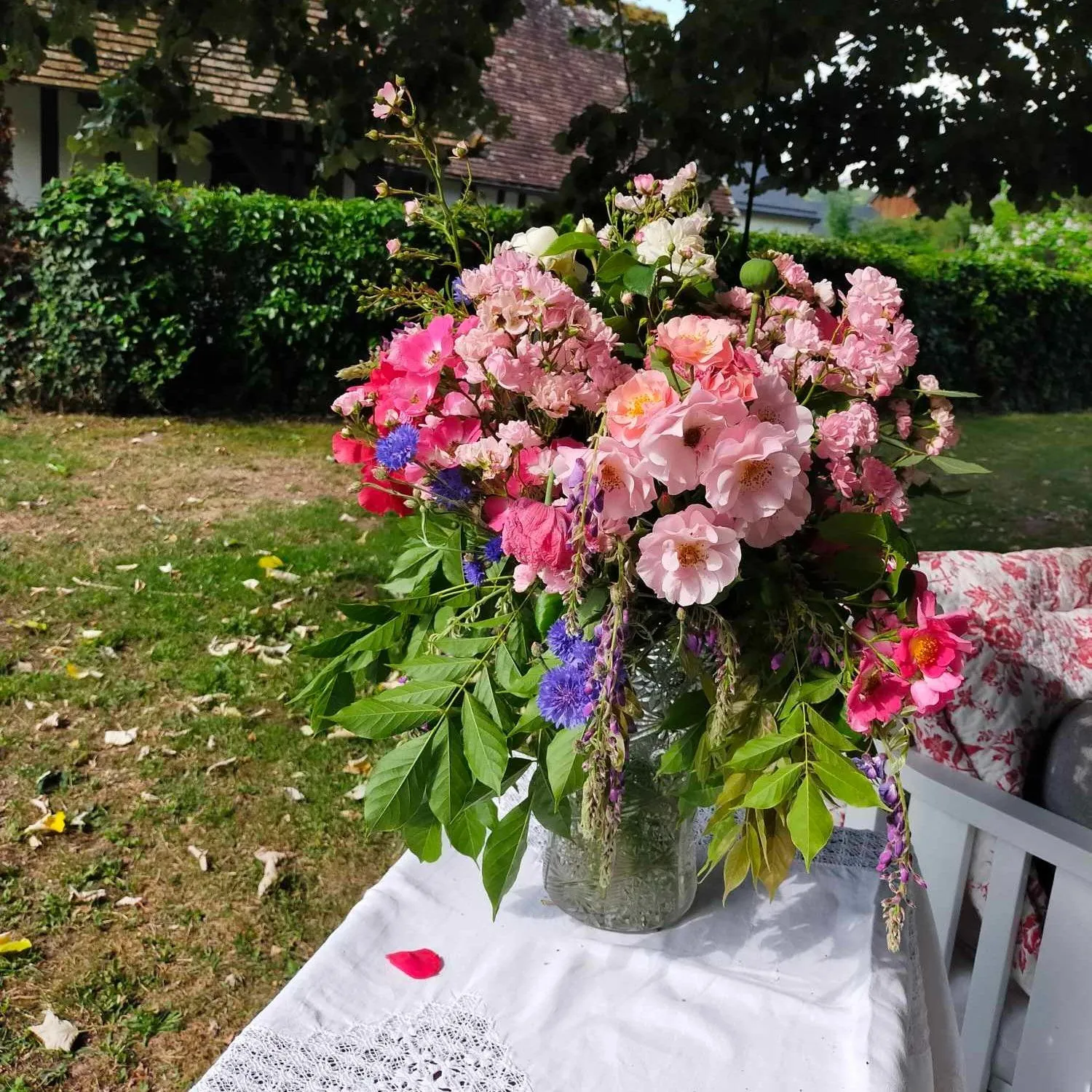
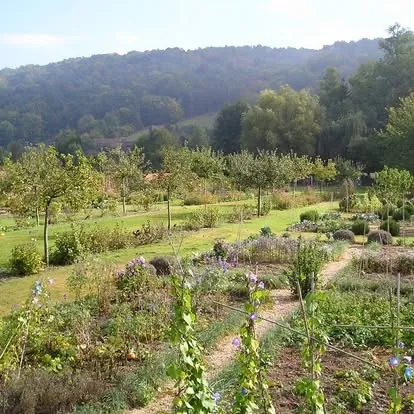
The family home, garden and orchard
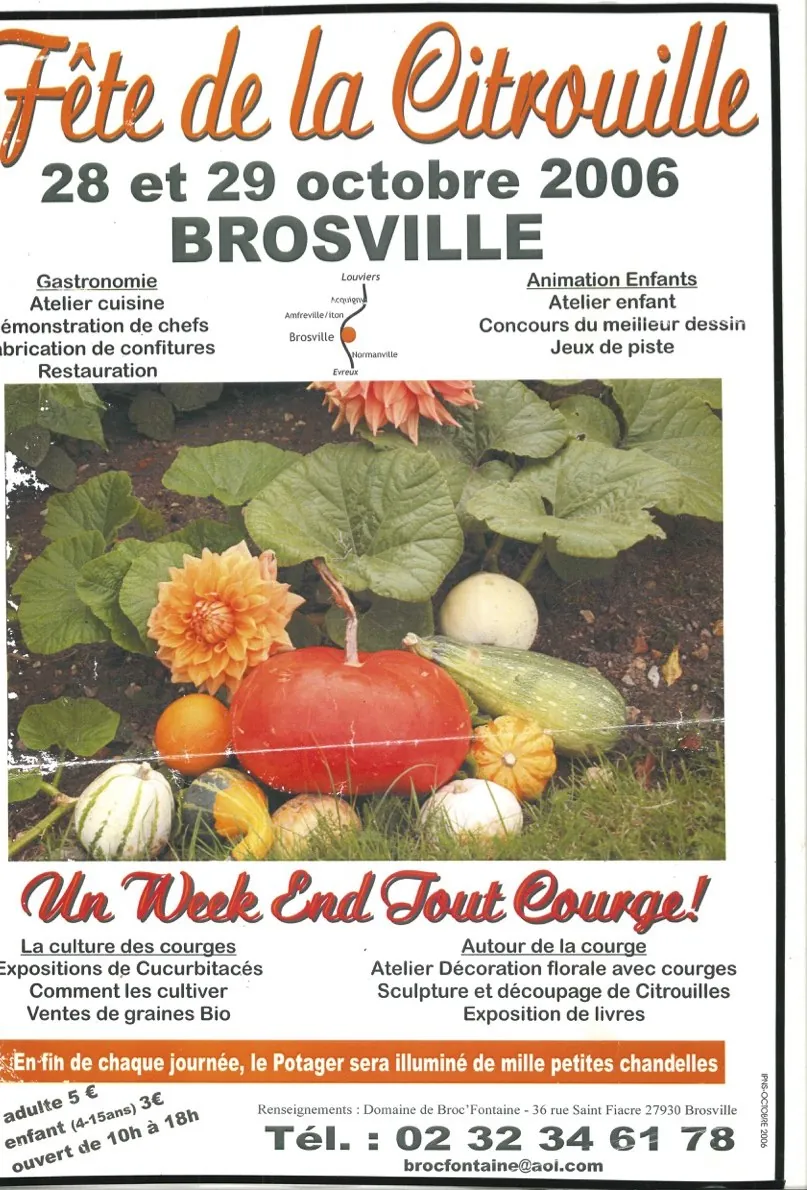
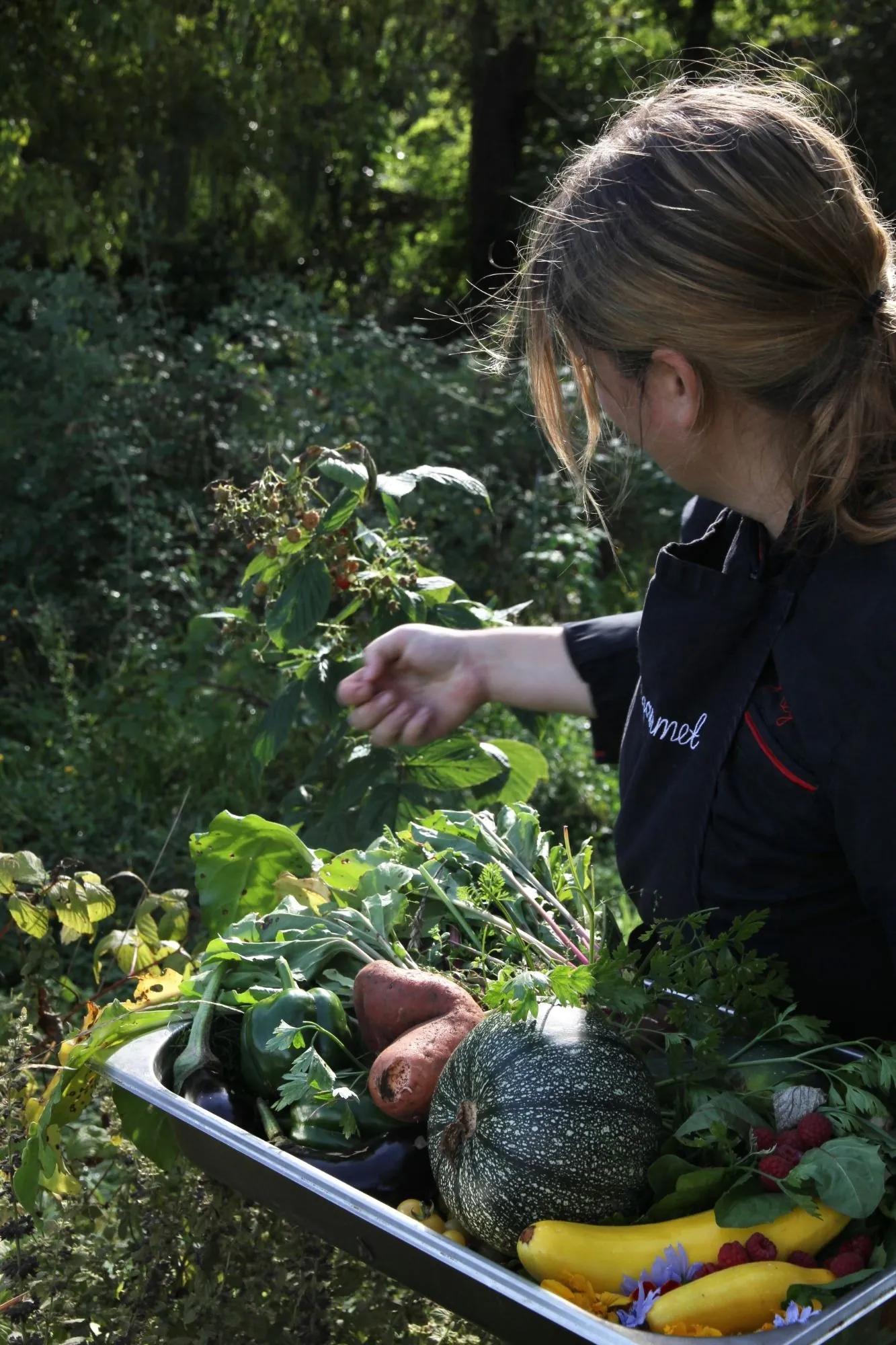
The family makes Brocfontaine its full-time home and brings back the orchard and the vegetable garden.
2000Brocfontaine
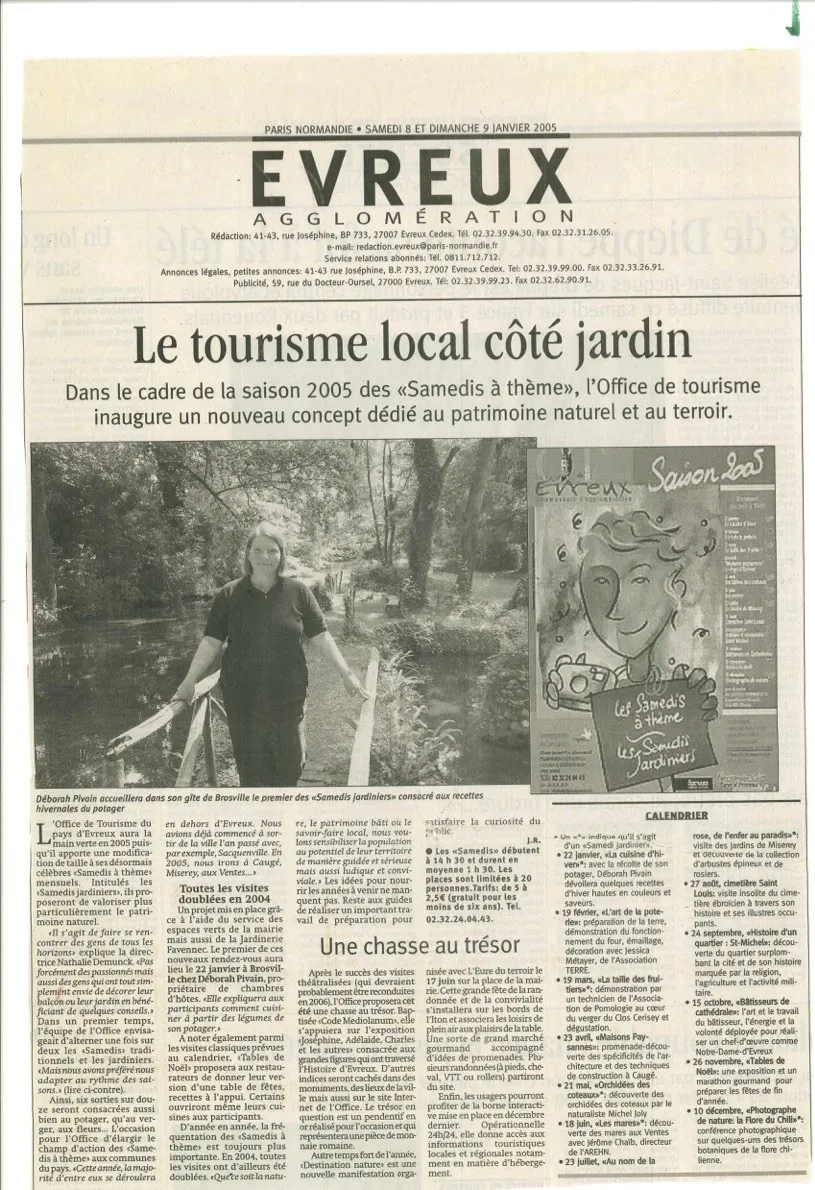
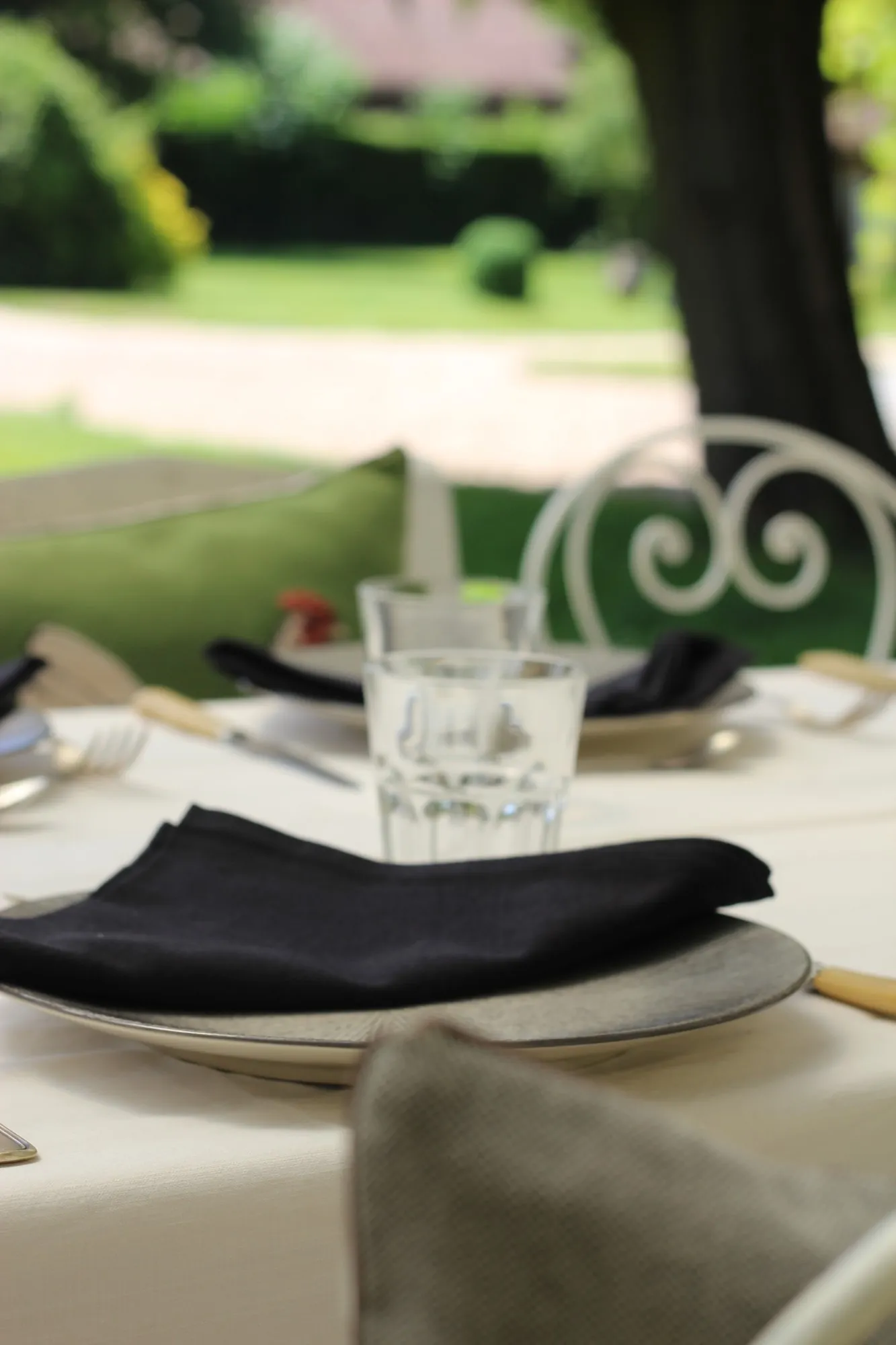
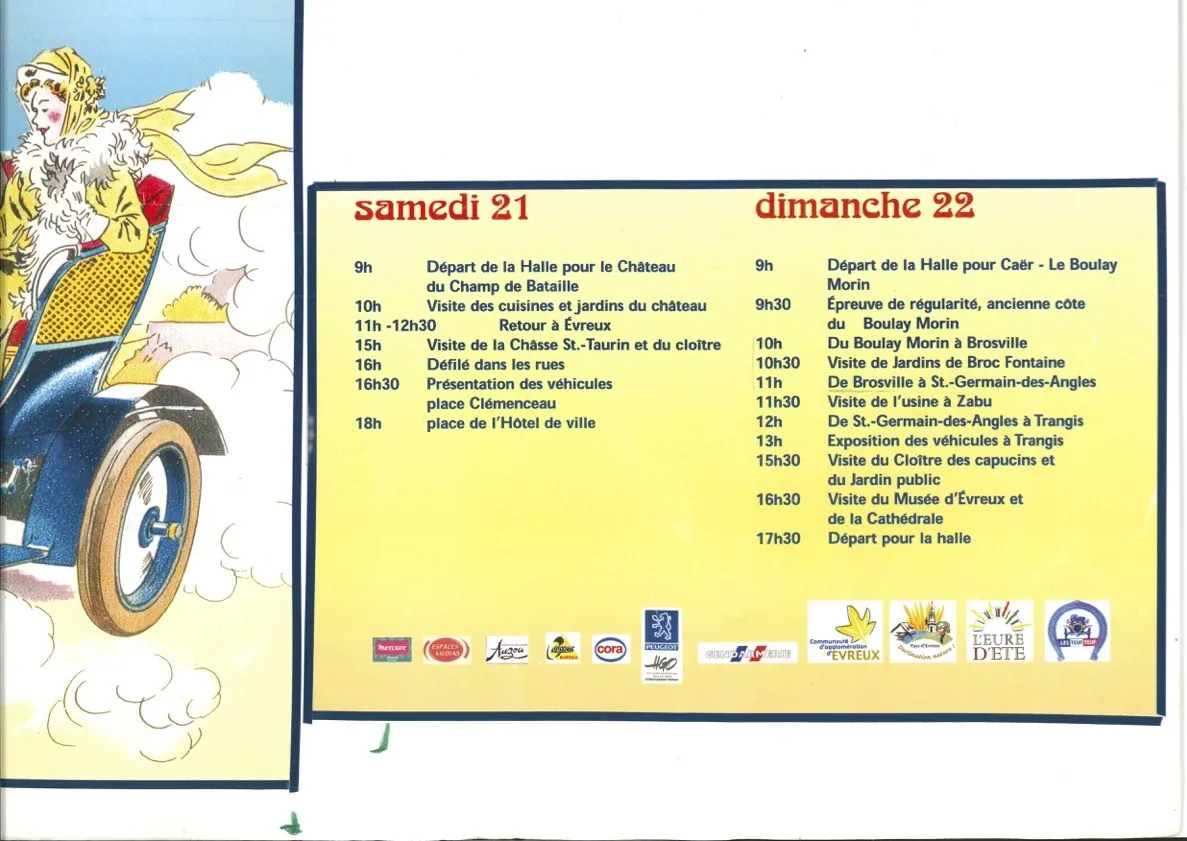
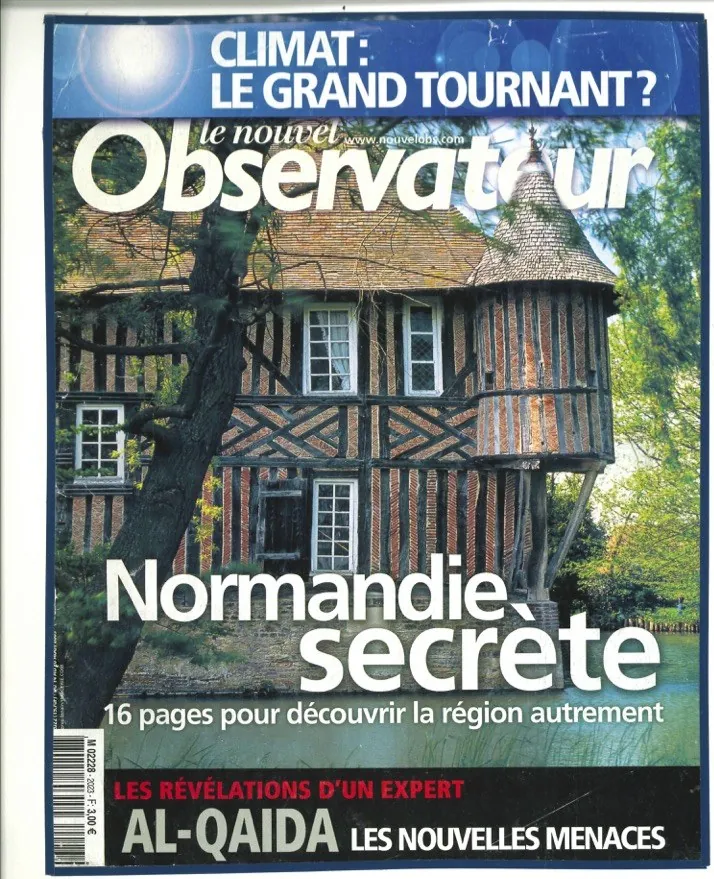
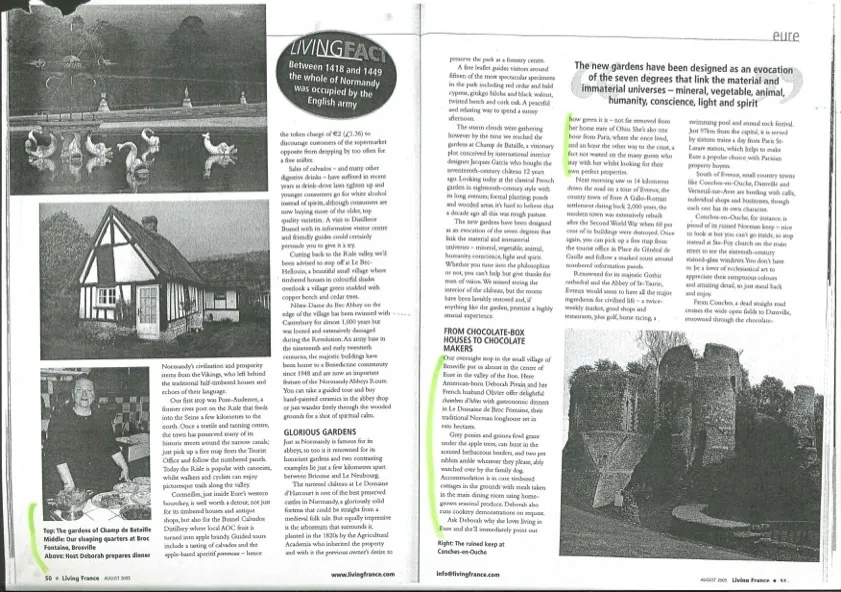
B&B, table d'hôtes and garden visits
A well-known B&B and table d'hôtes, with garden visits; guests from more than 44 countries.

2009Paris
Gentle Gourmet is born
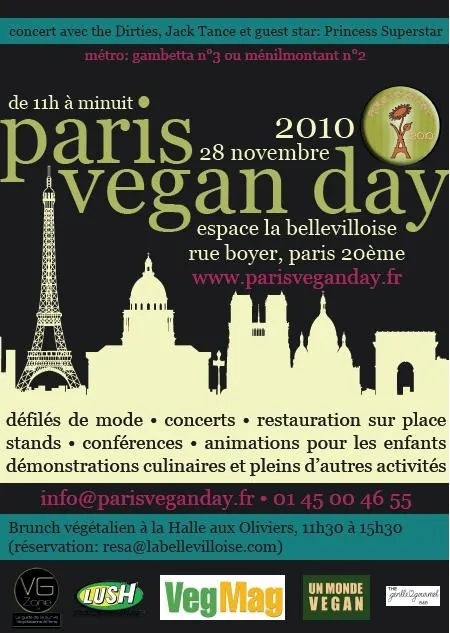
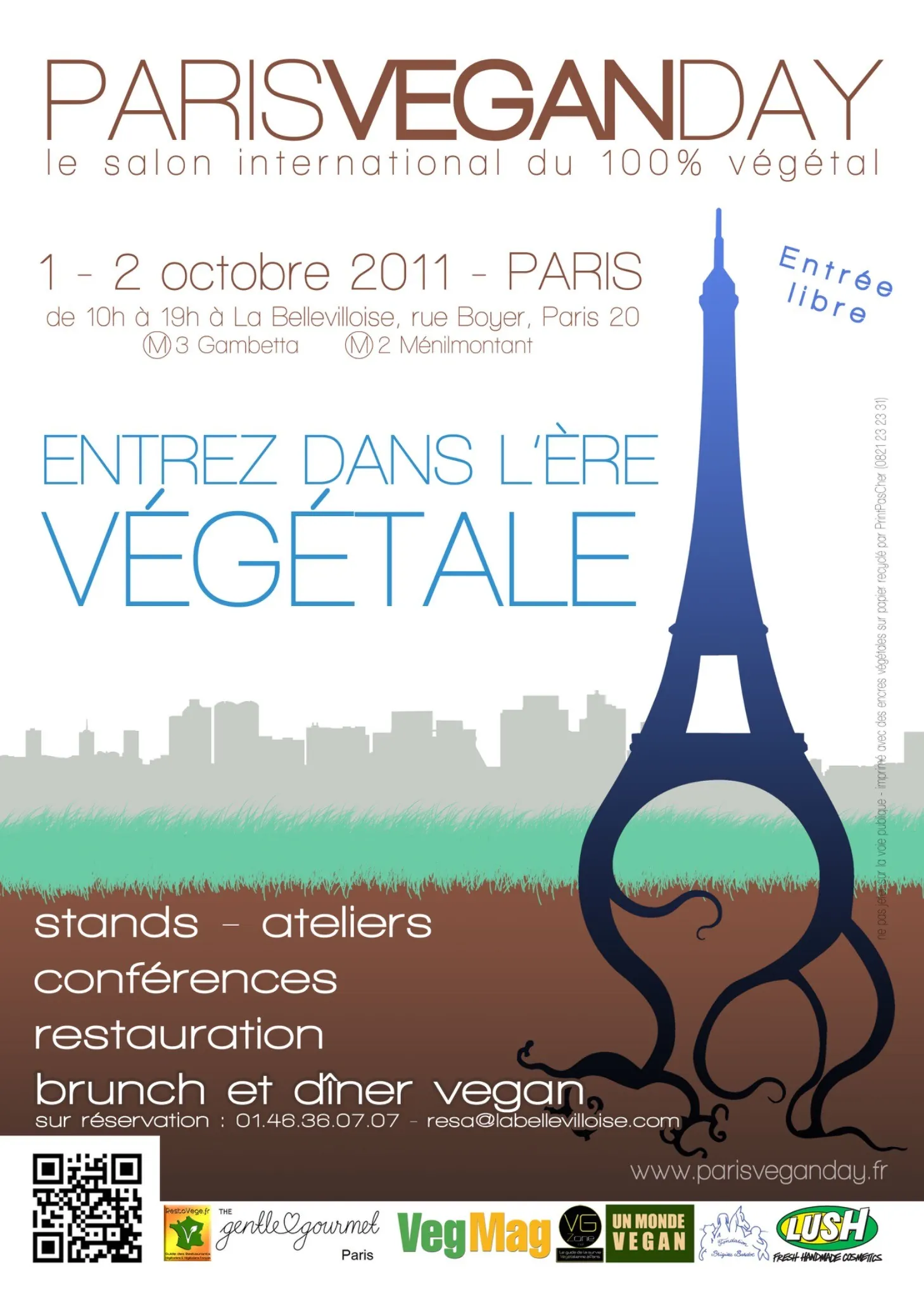
Creation of the Gentle Gourmet concept, the world's first urban vegan B&B, the first vegan cruises and the first Paris Vegan Day festival.
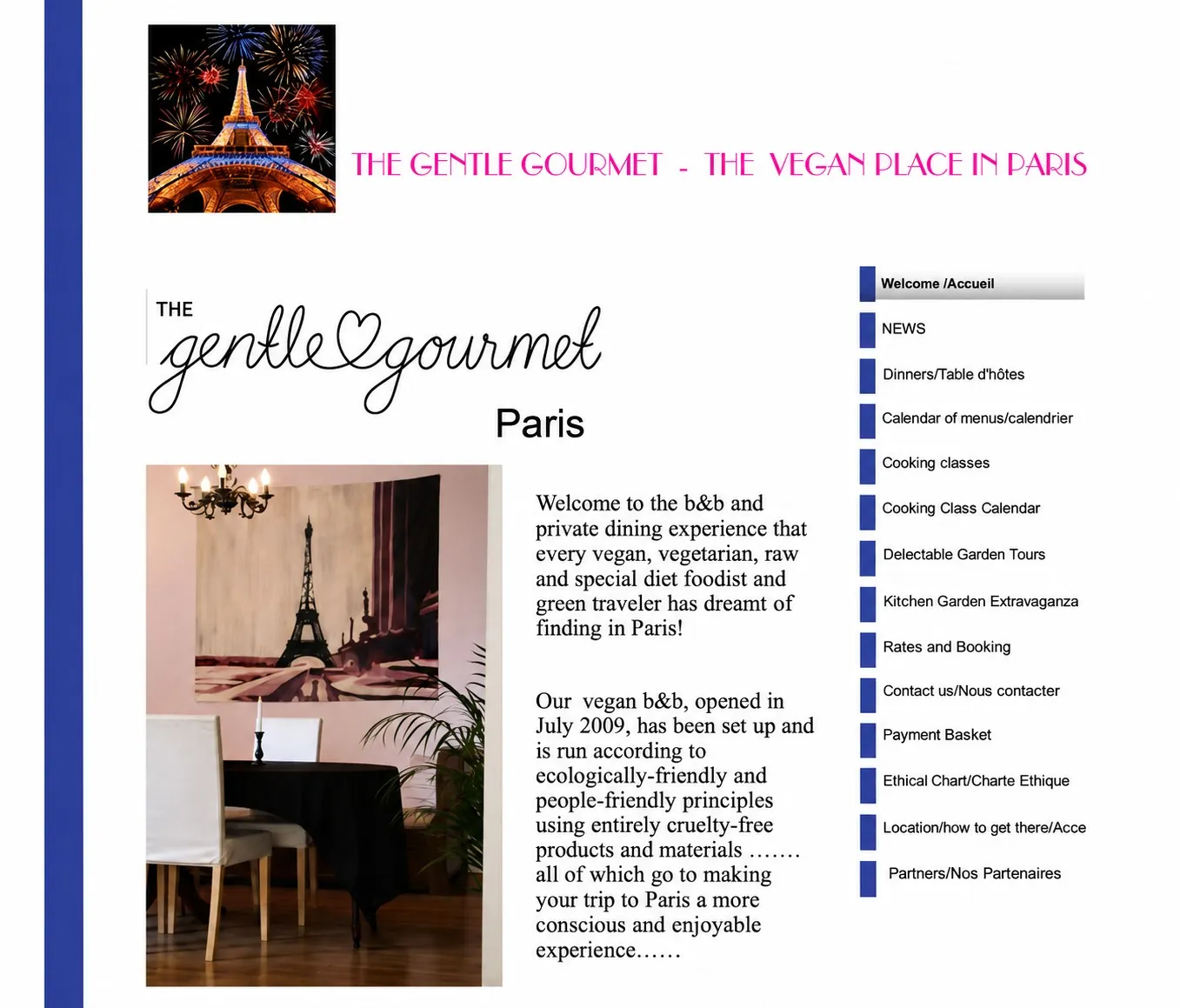
Our first website. 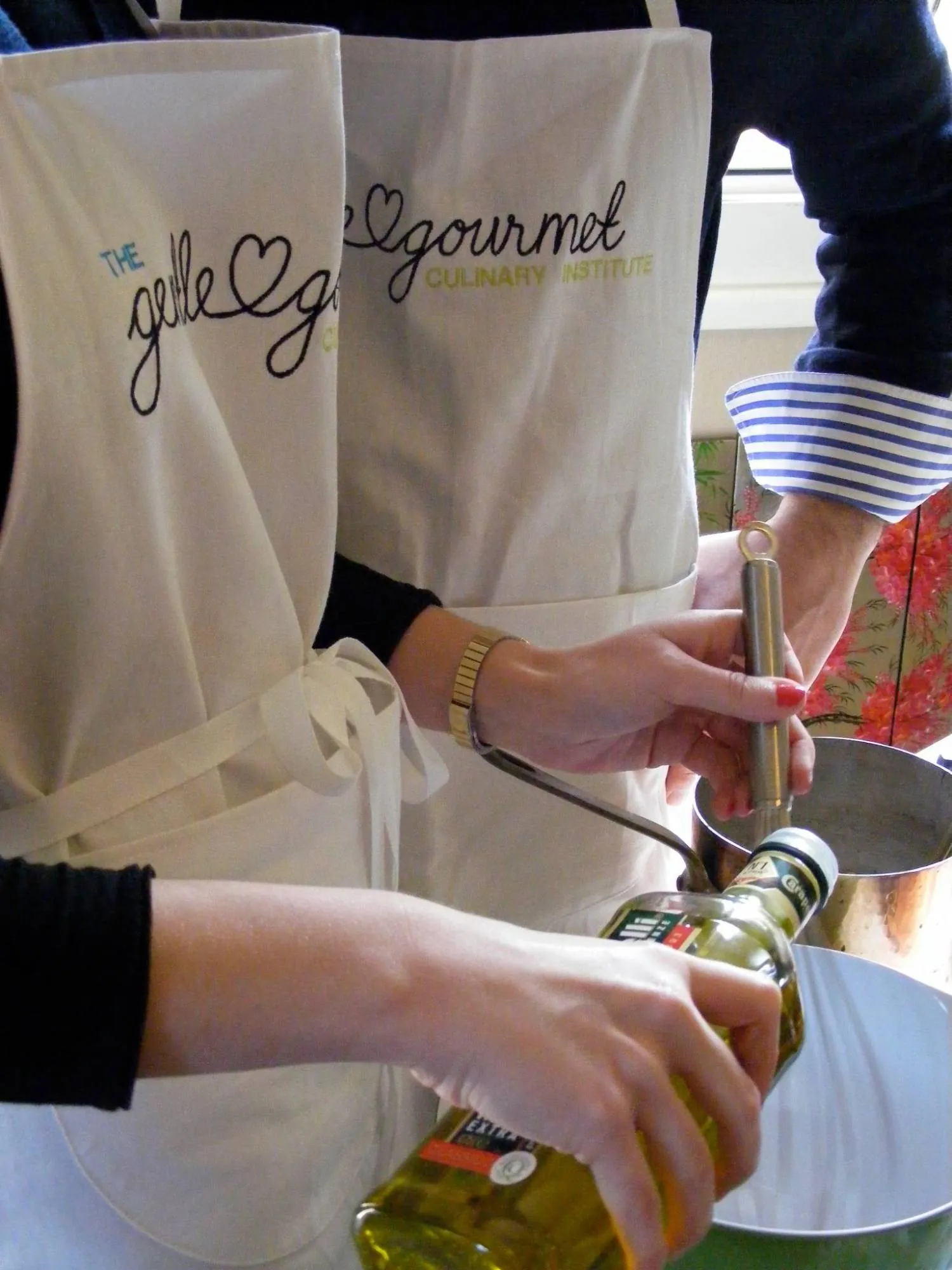
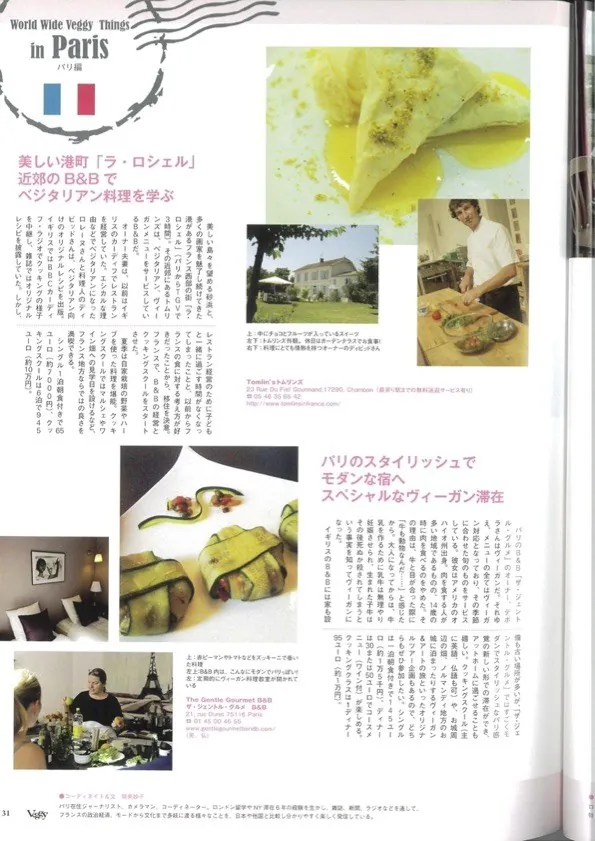
2012-2019Paris
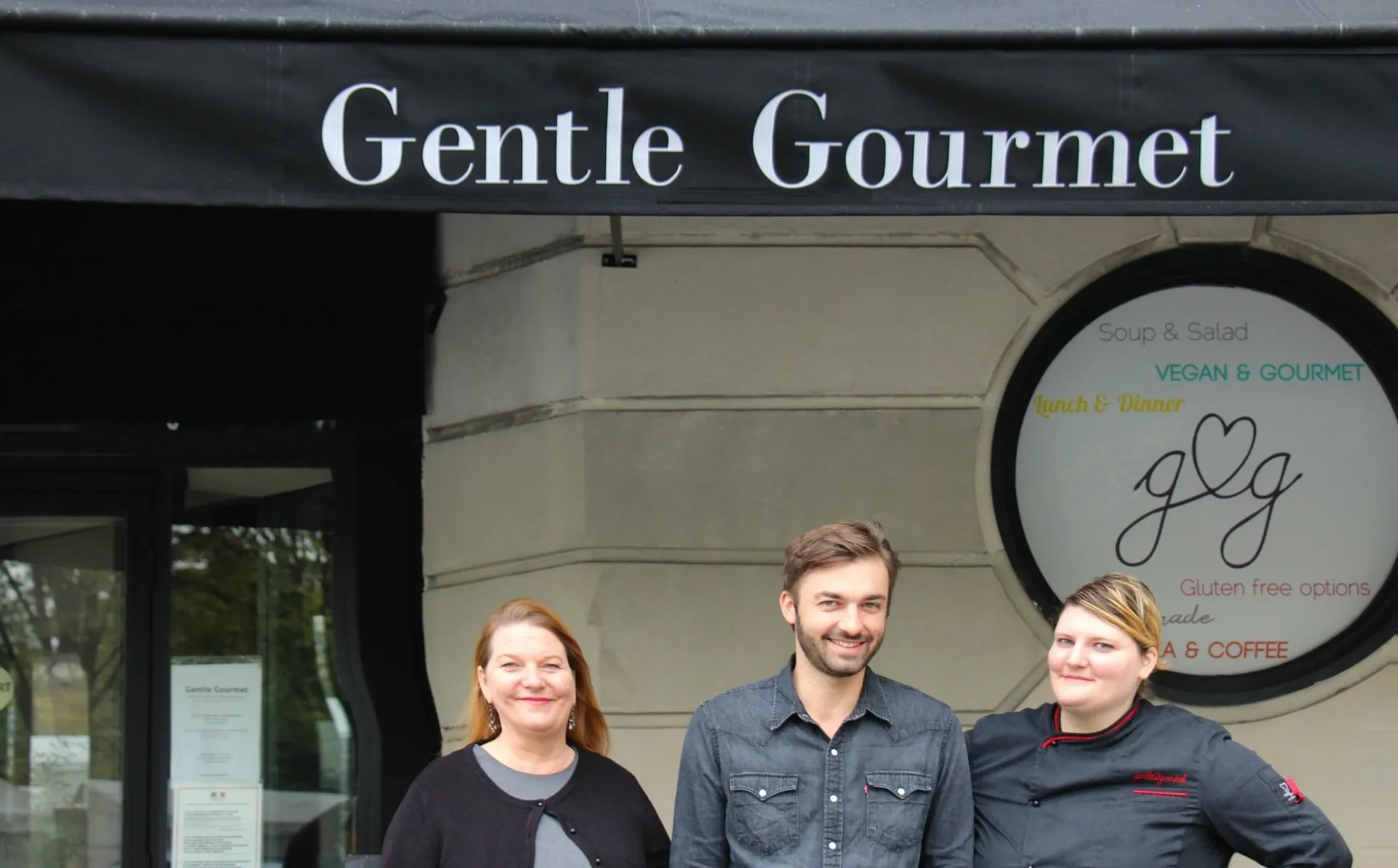
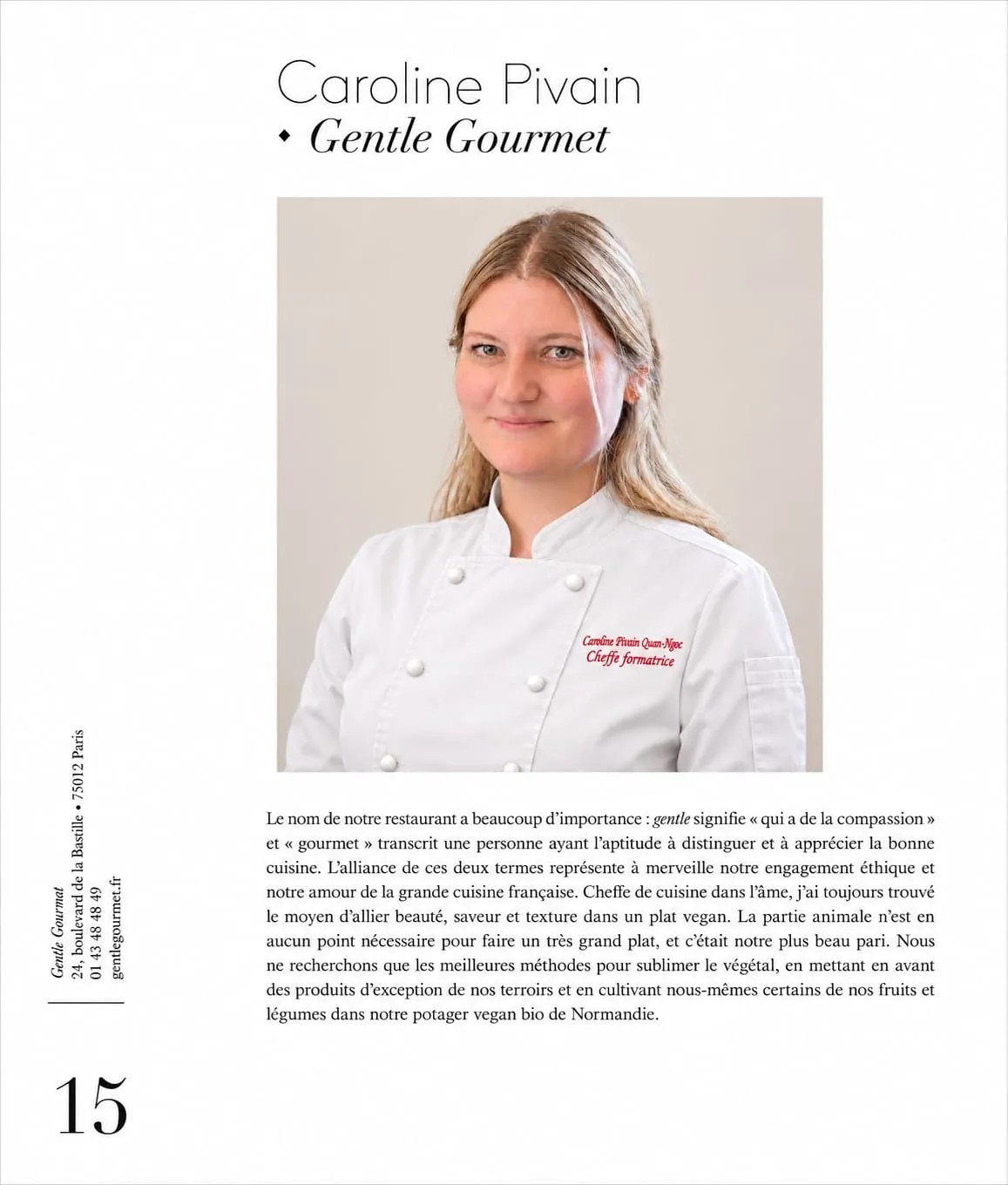
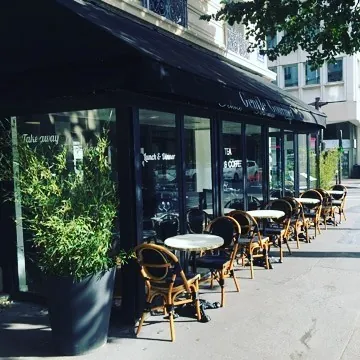
Paris's first gourmet vegan establishment
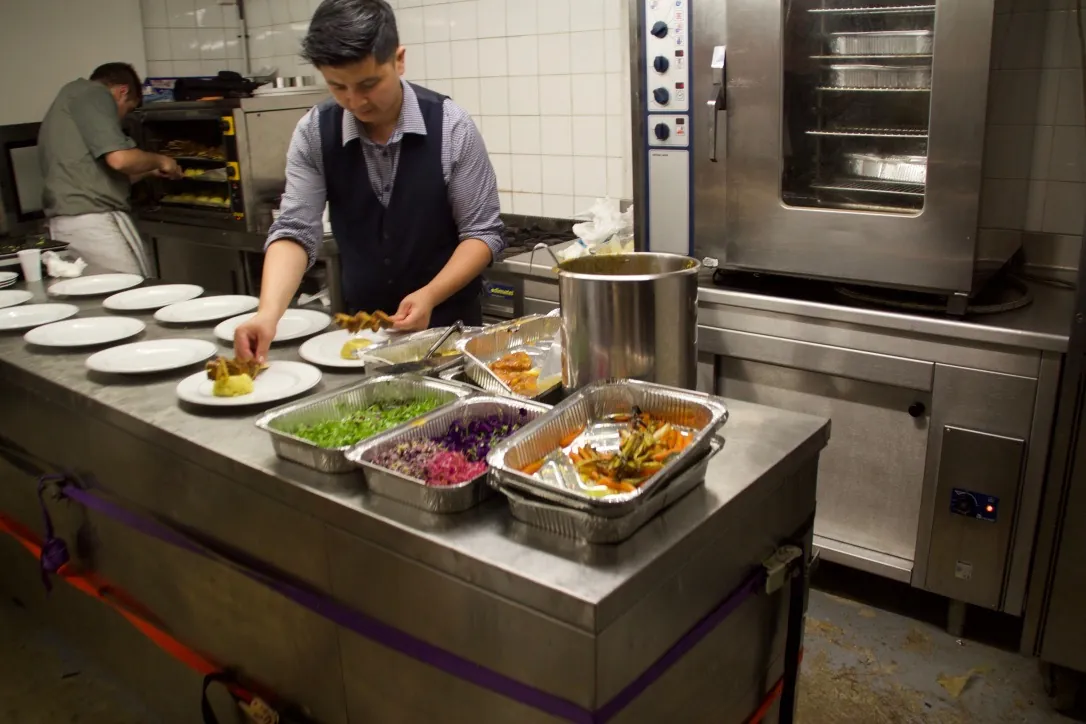
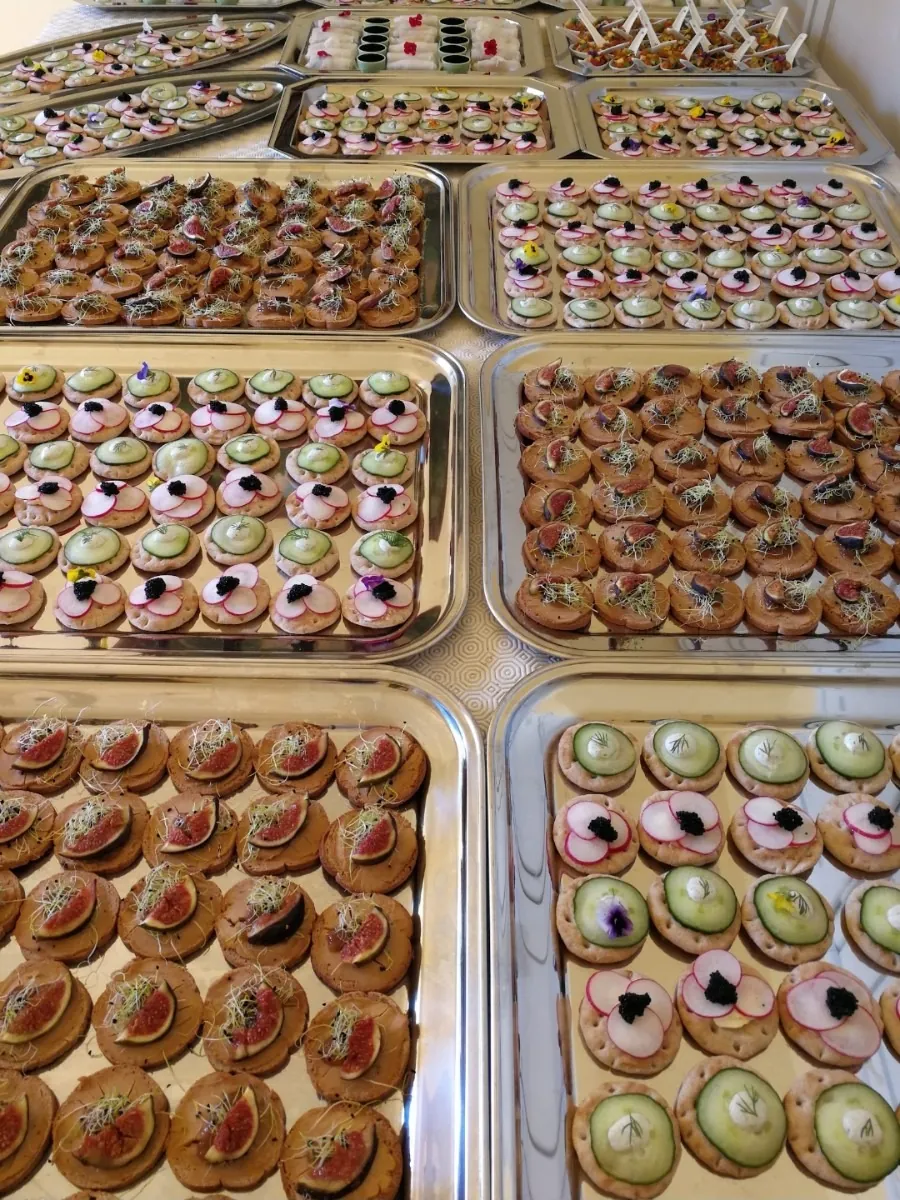
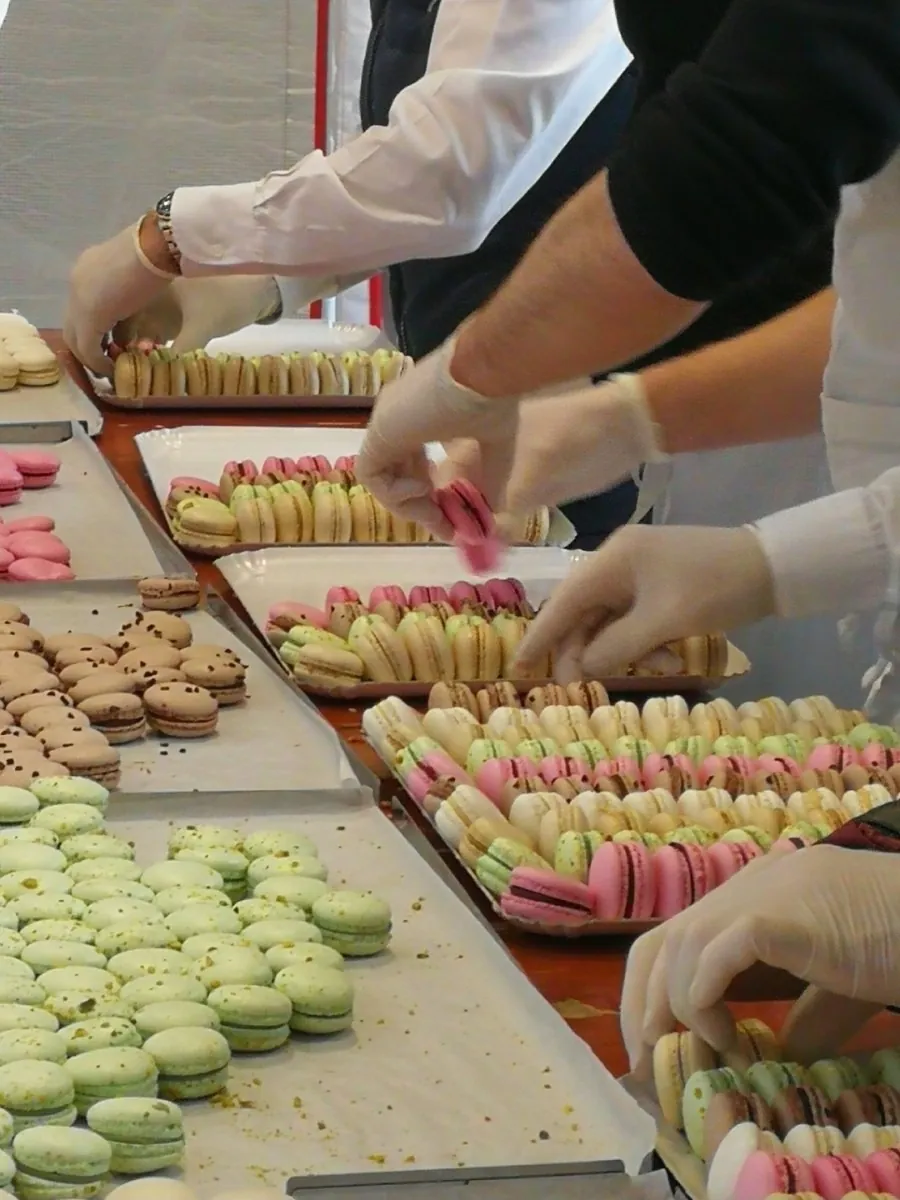
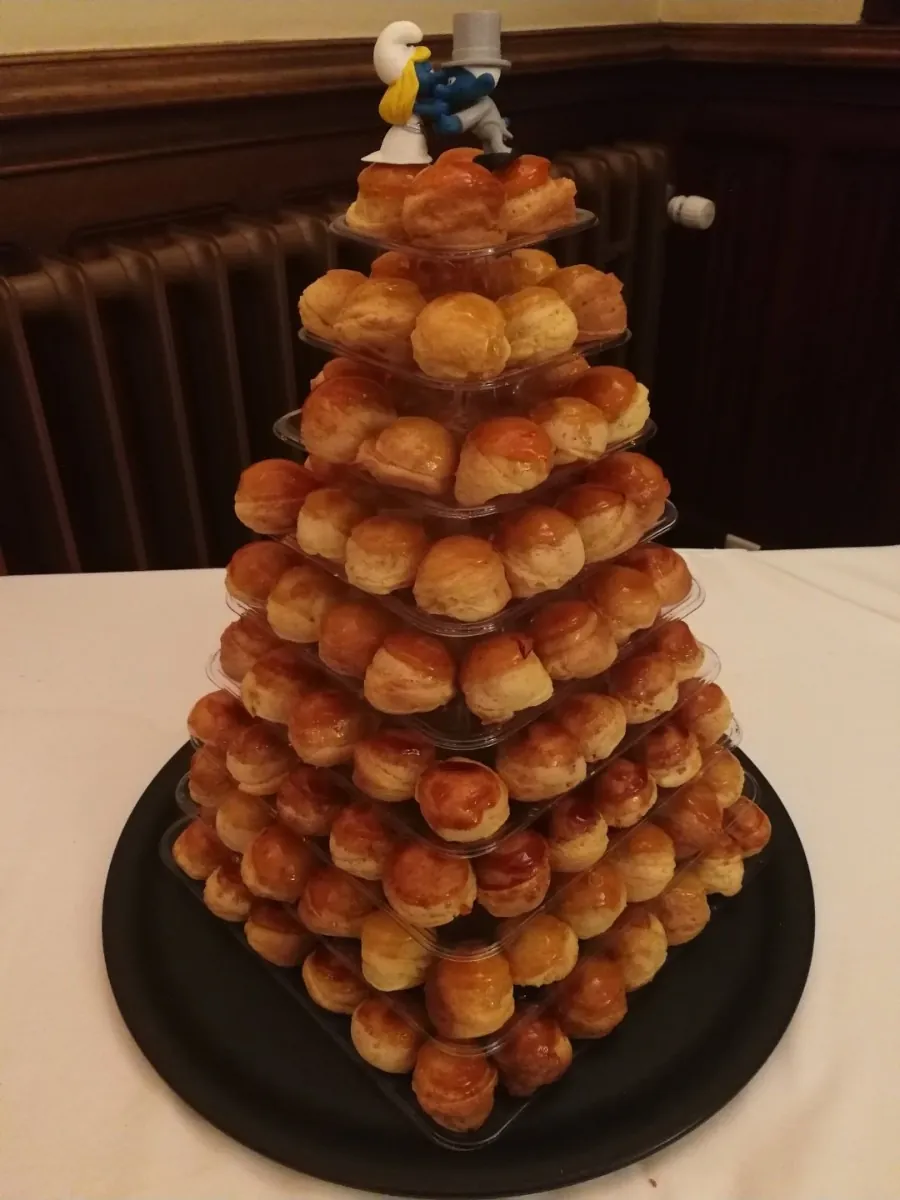
Opening of Paris's first gourmet vegan establishment, a caterer, and a vegan food & bar concept.
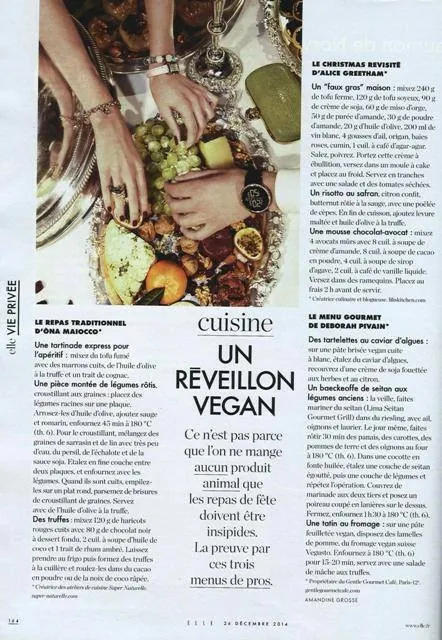
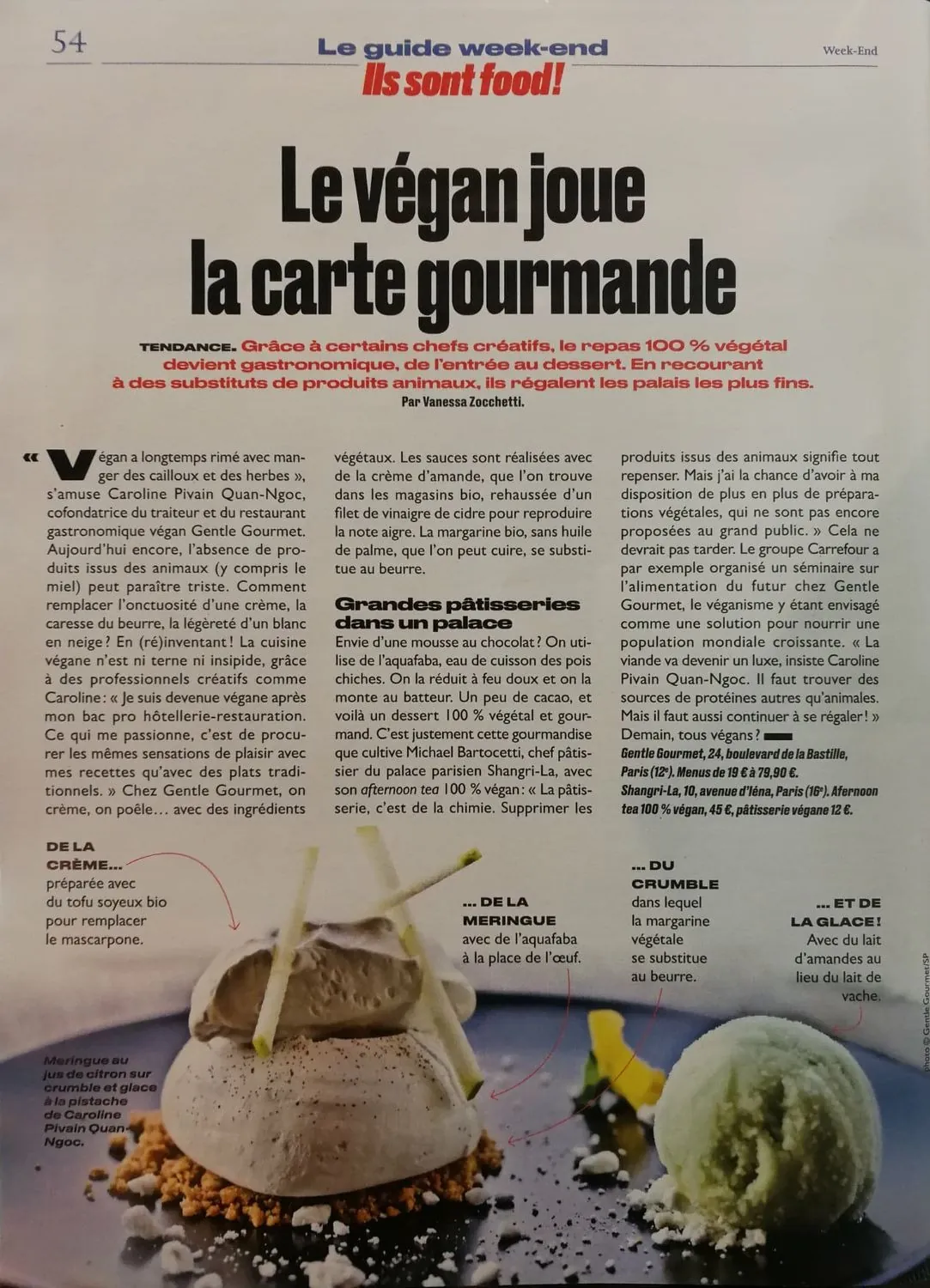
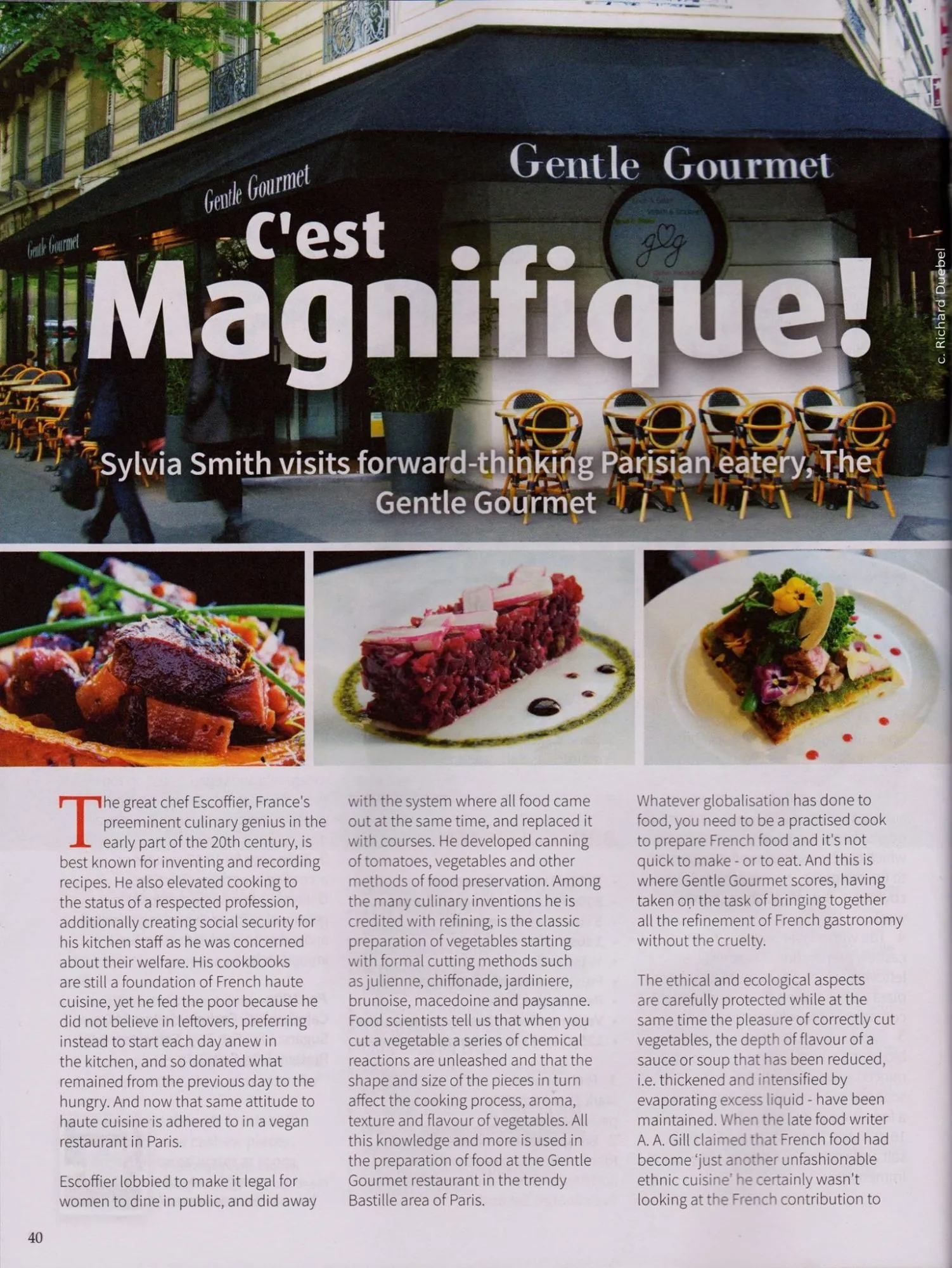
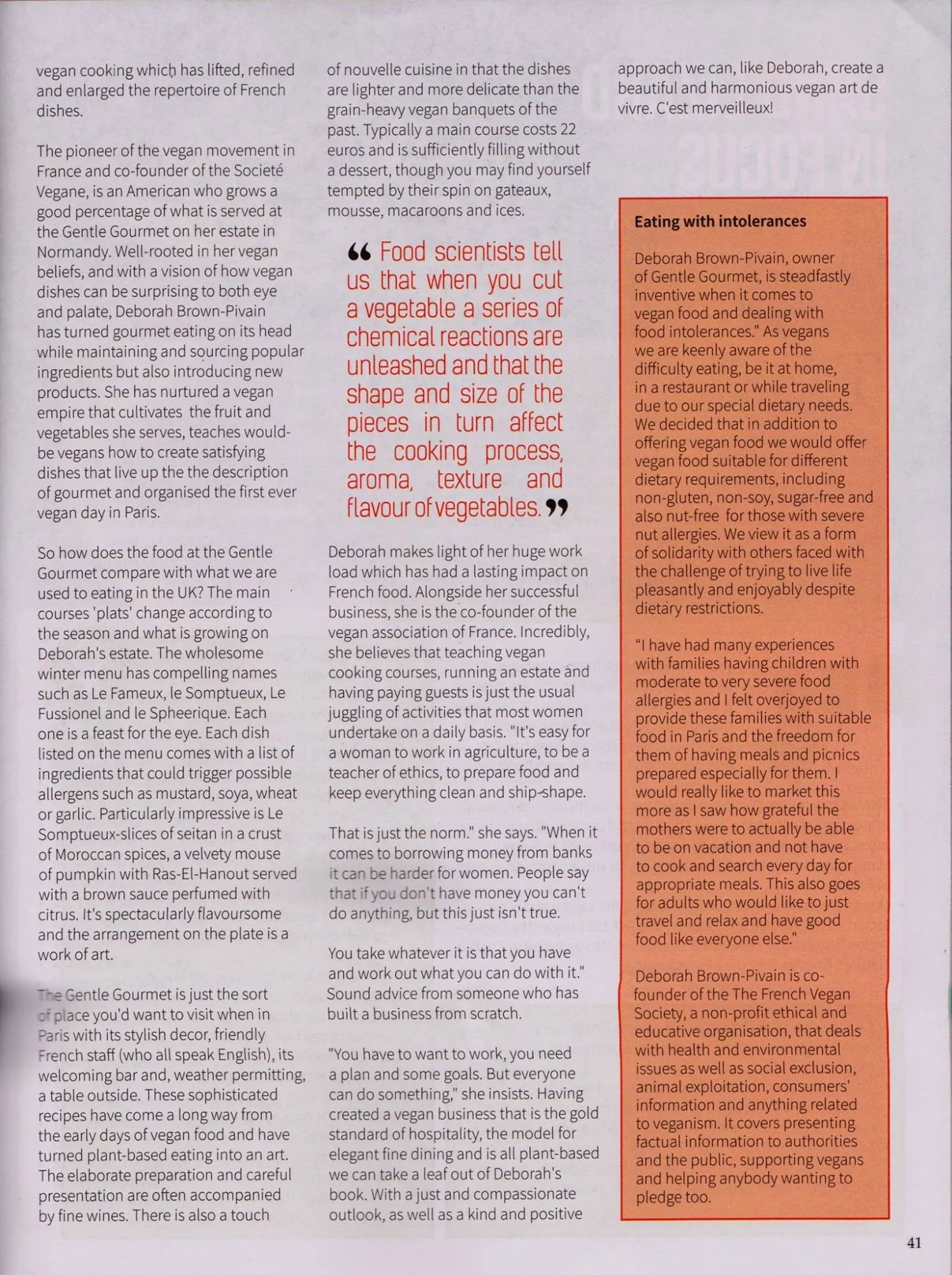
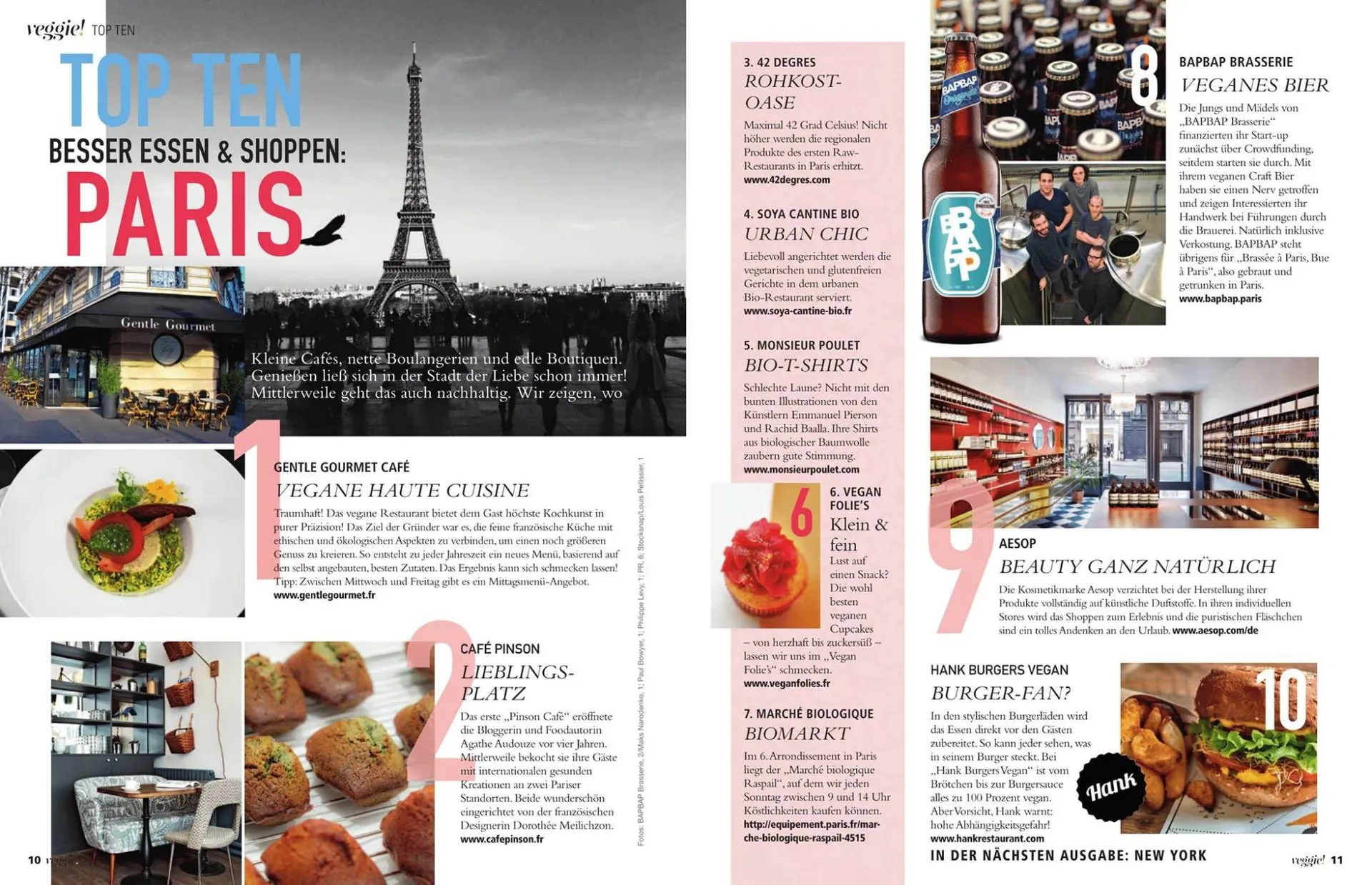
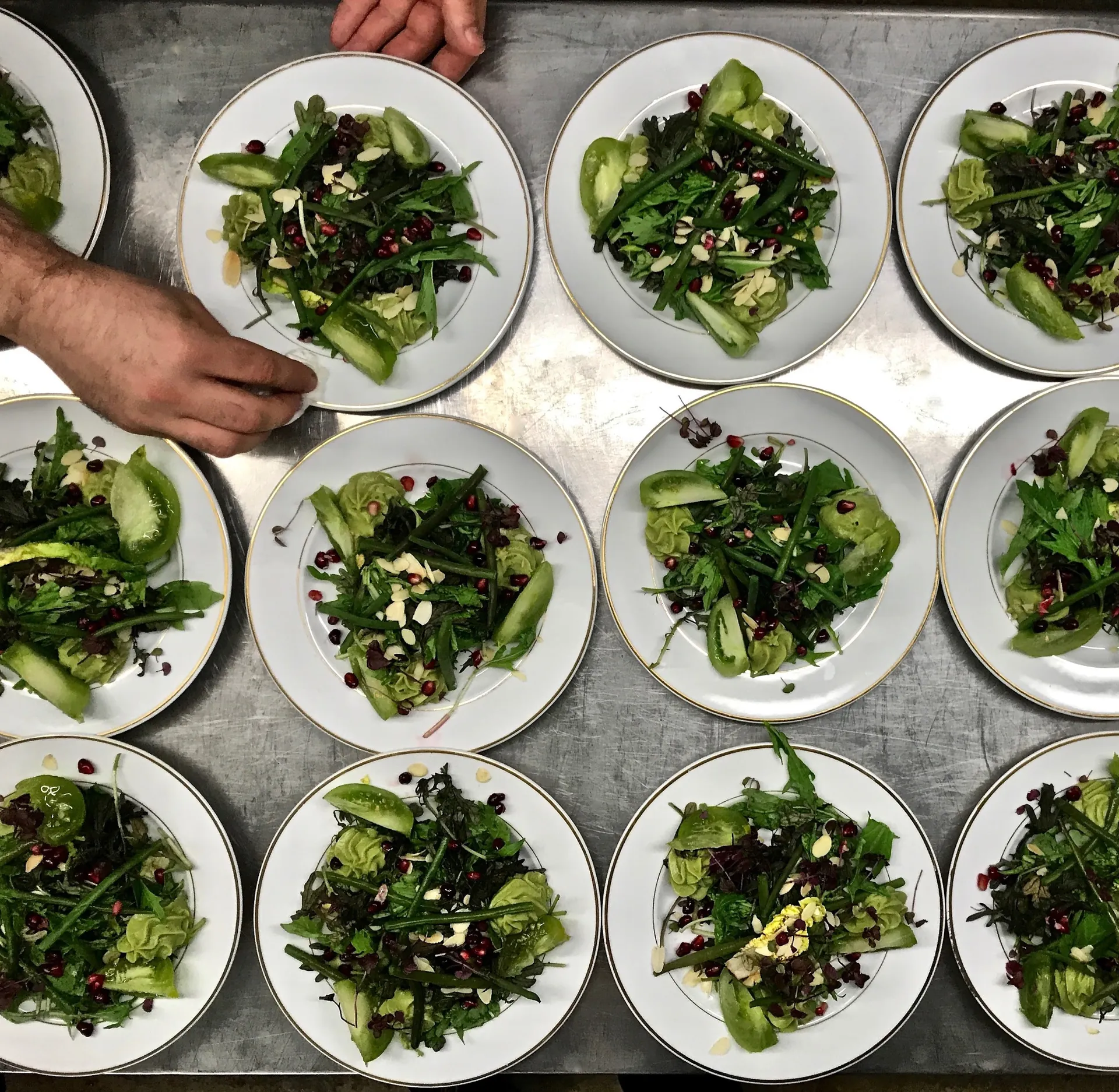
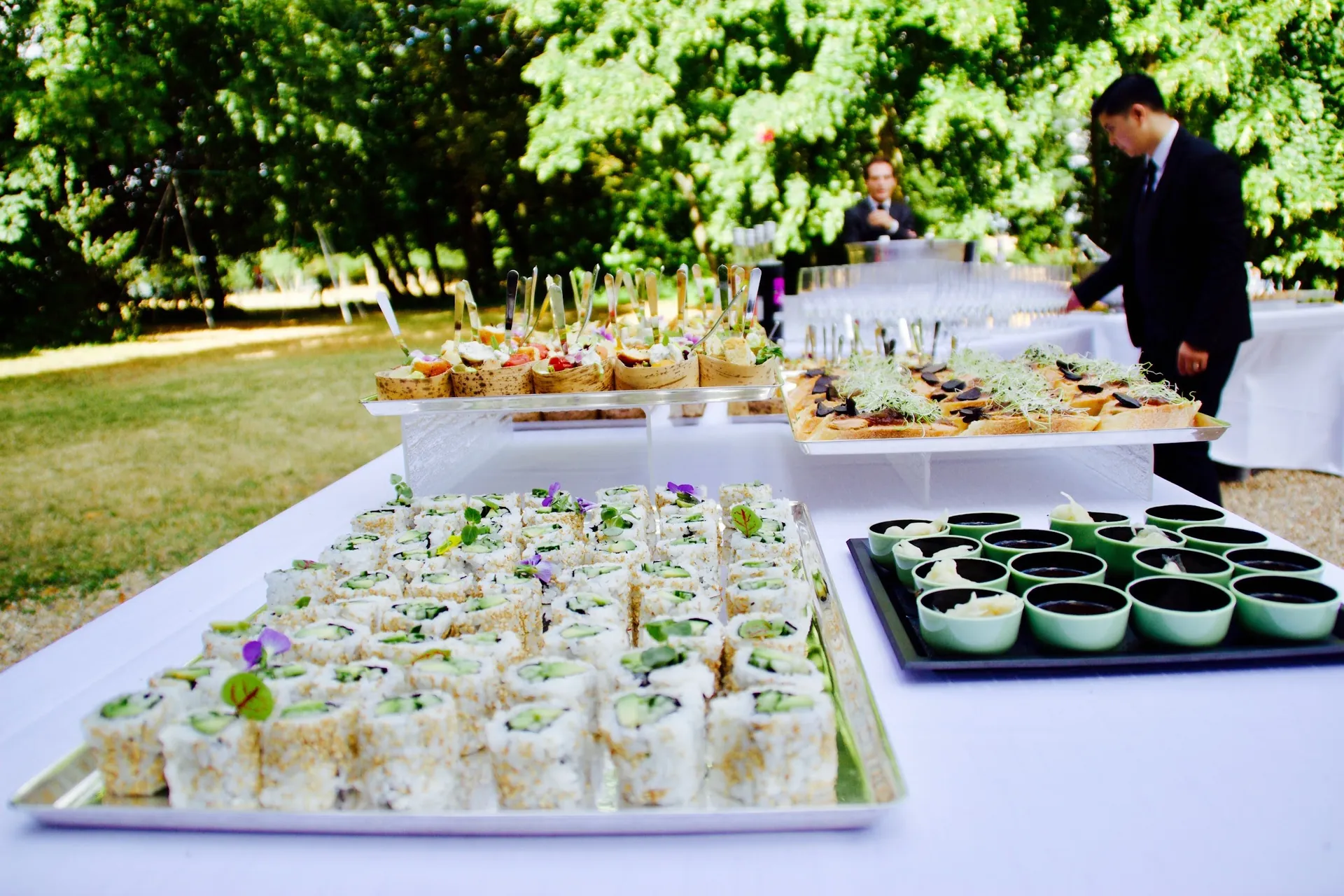
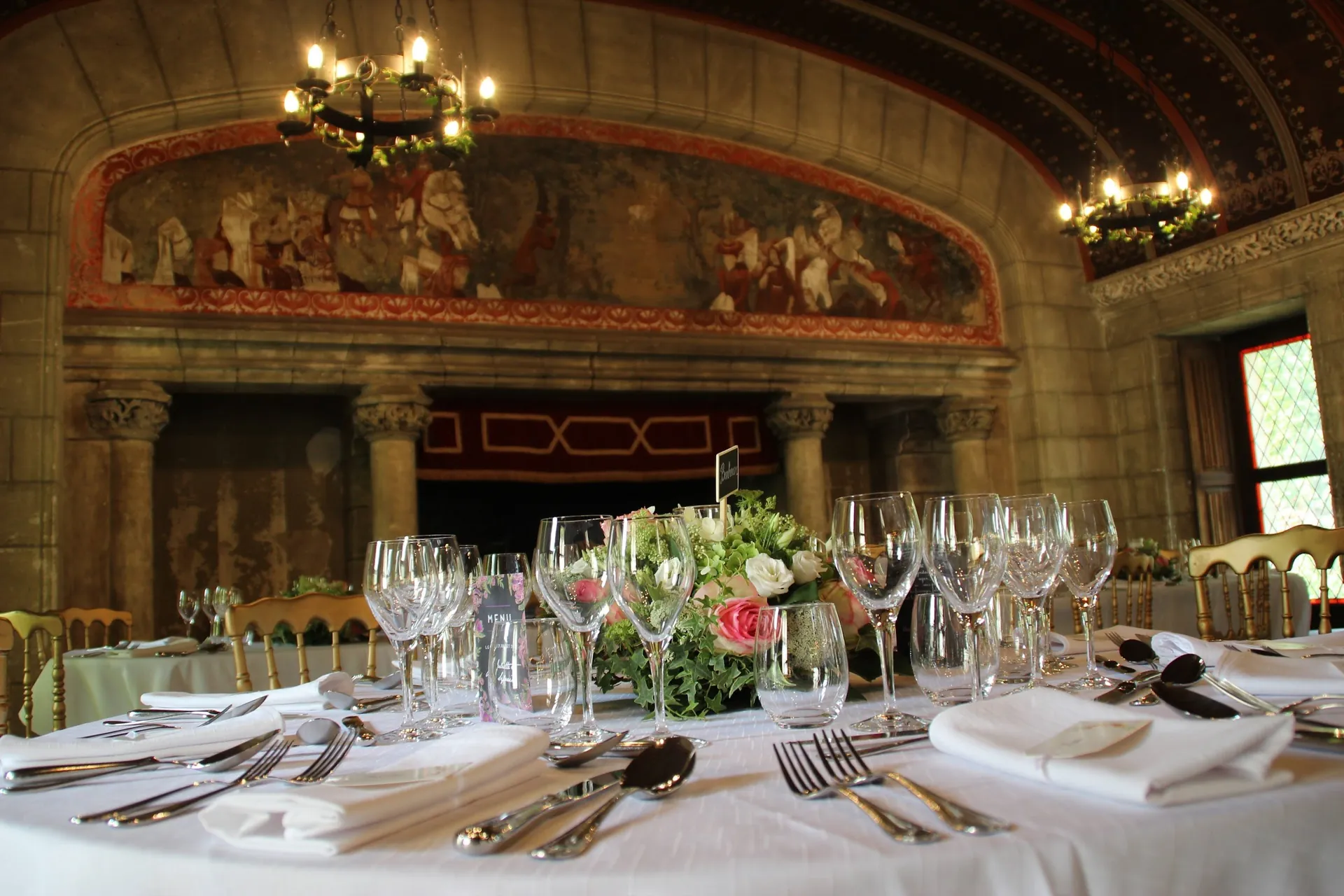
2016Institute
Creation of the Gentle Gourmet Culinary Institute
The same year, the Domaine appears in an ARTE documentary, and summer classes bring students back to Normandy.
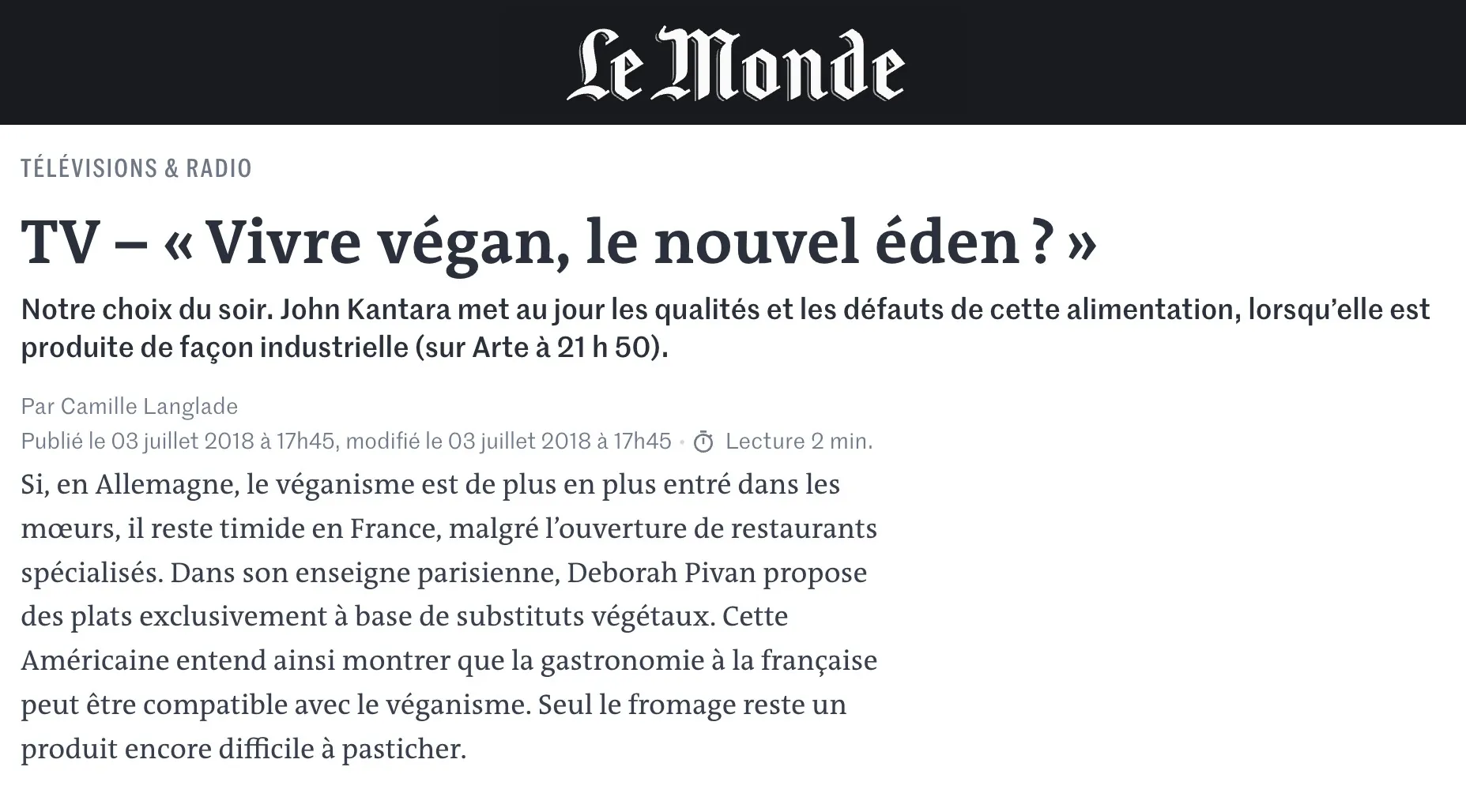
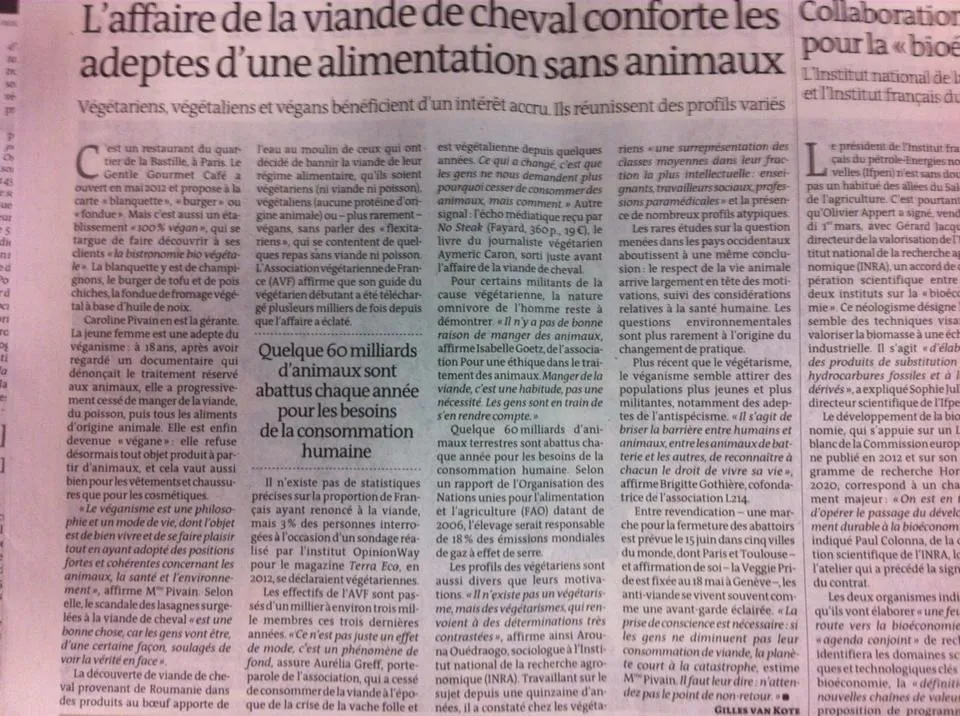
Le Monde, 3 July 2018: read the article → 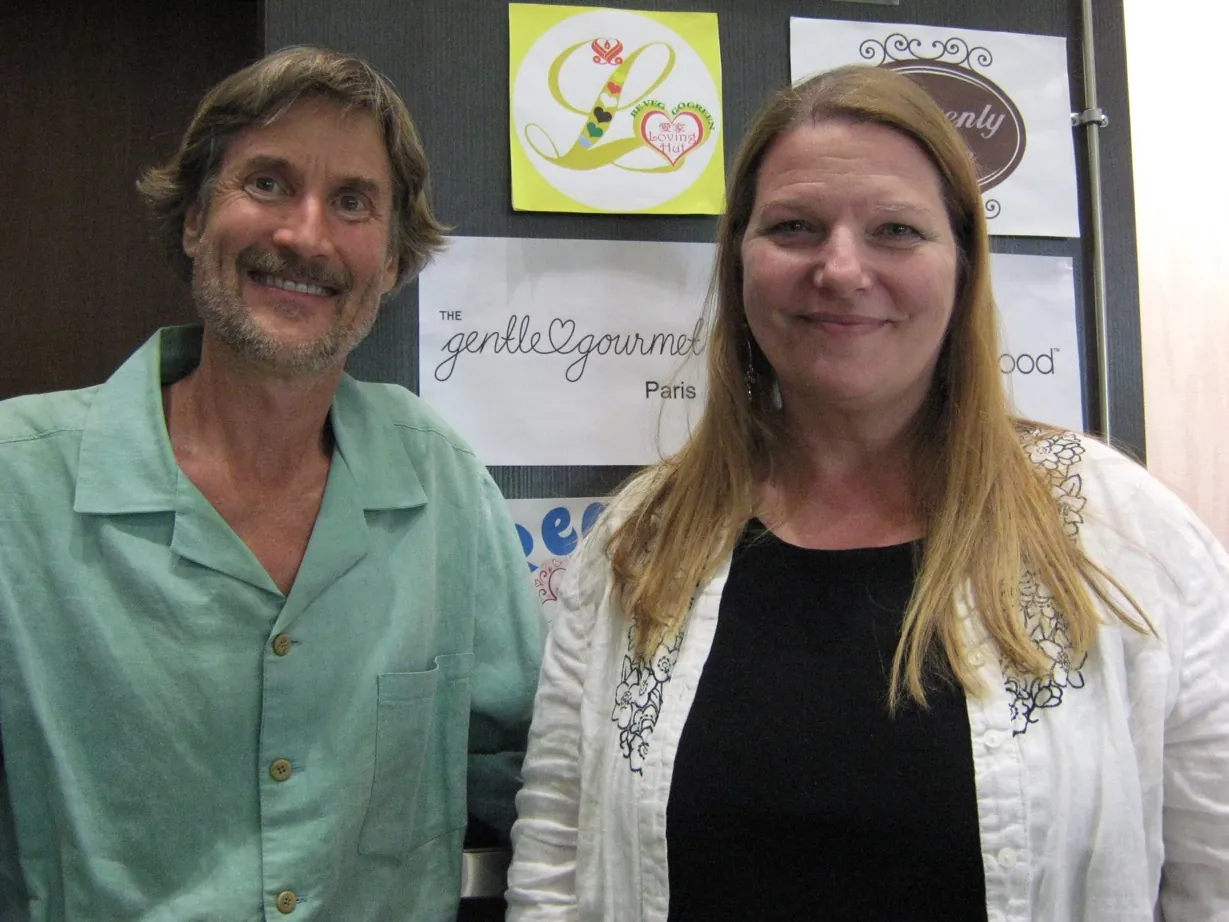
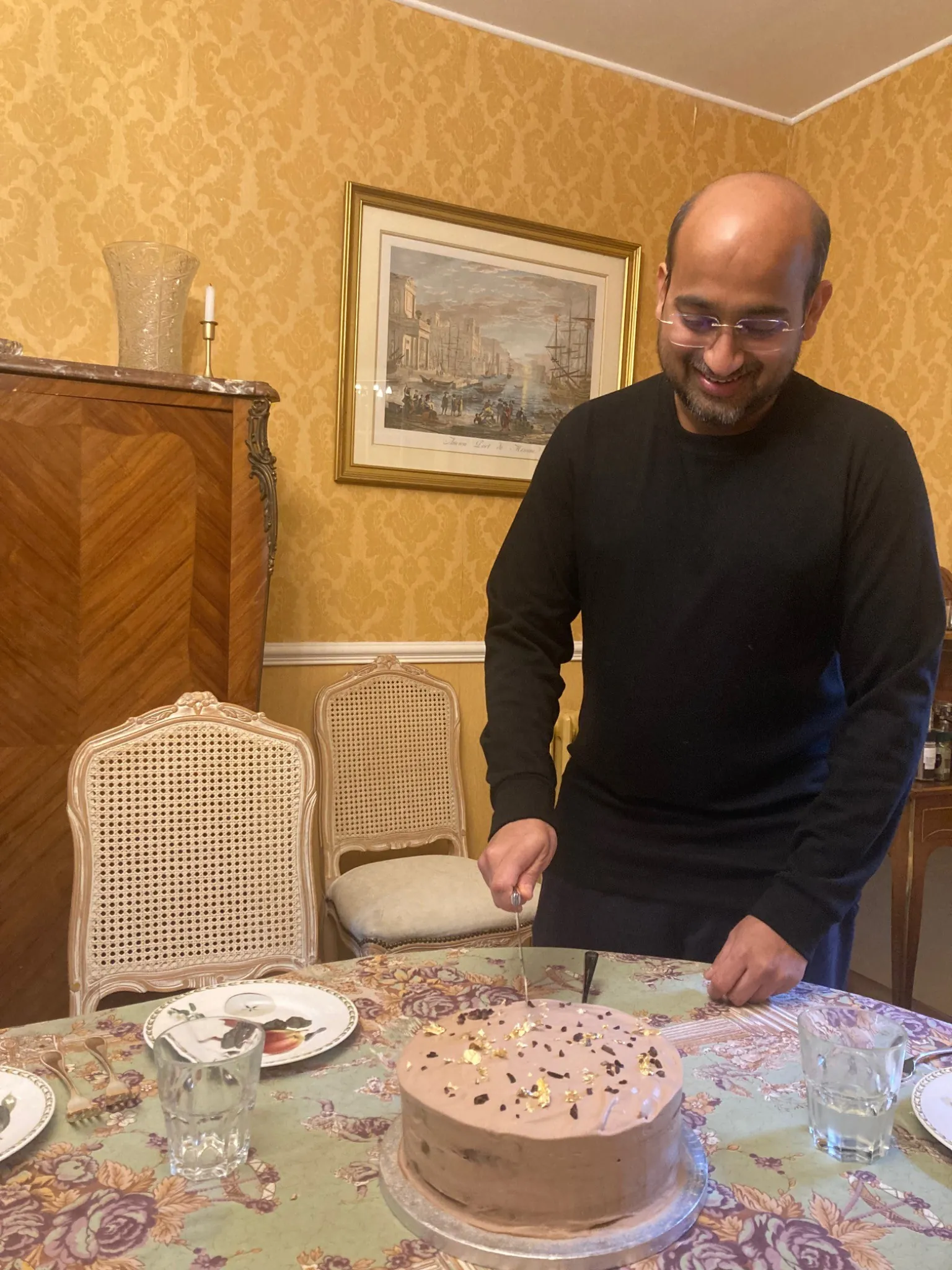
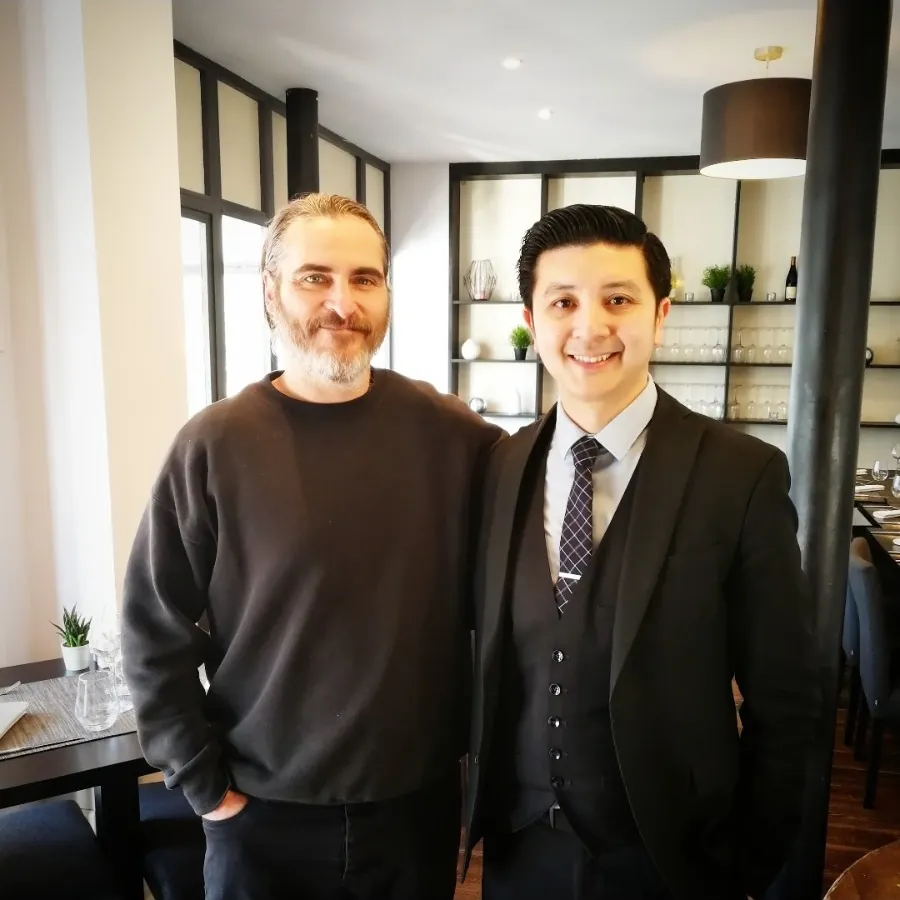
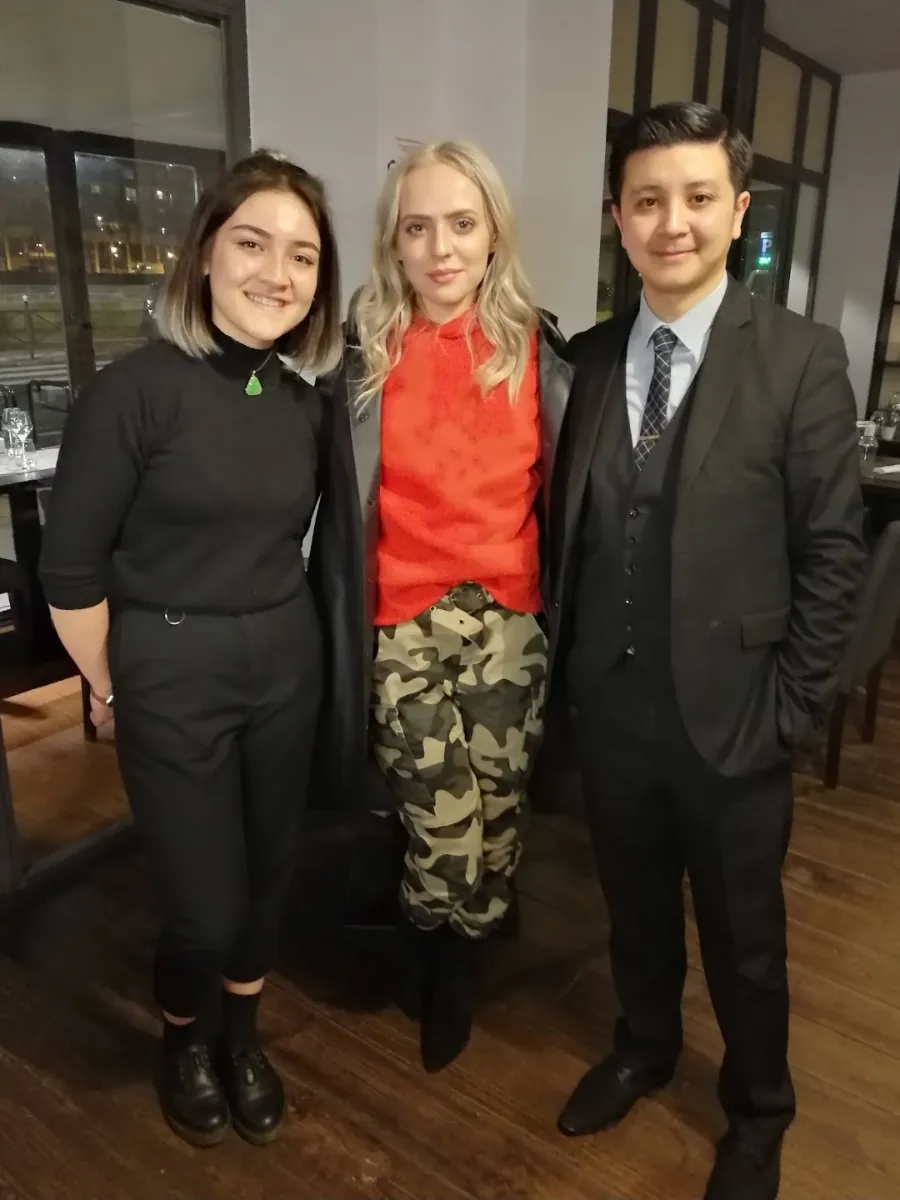
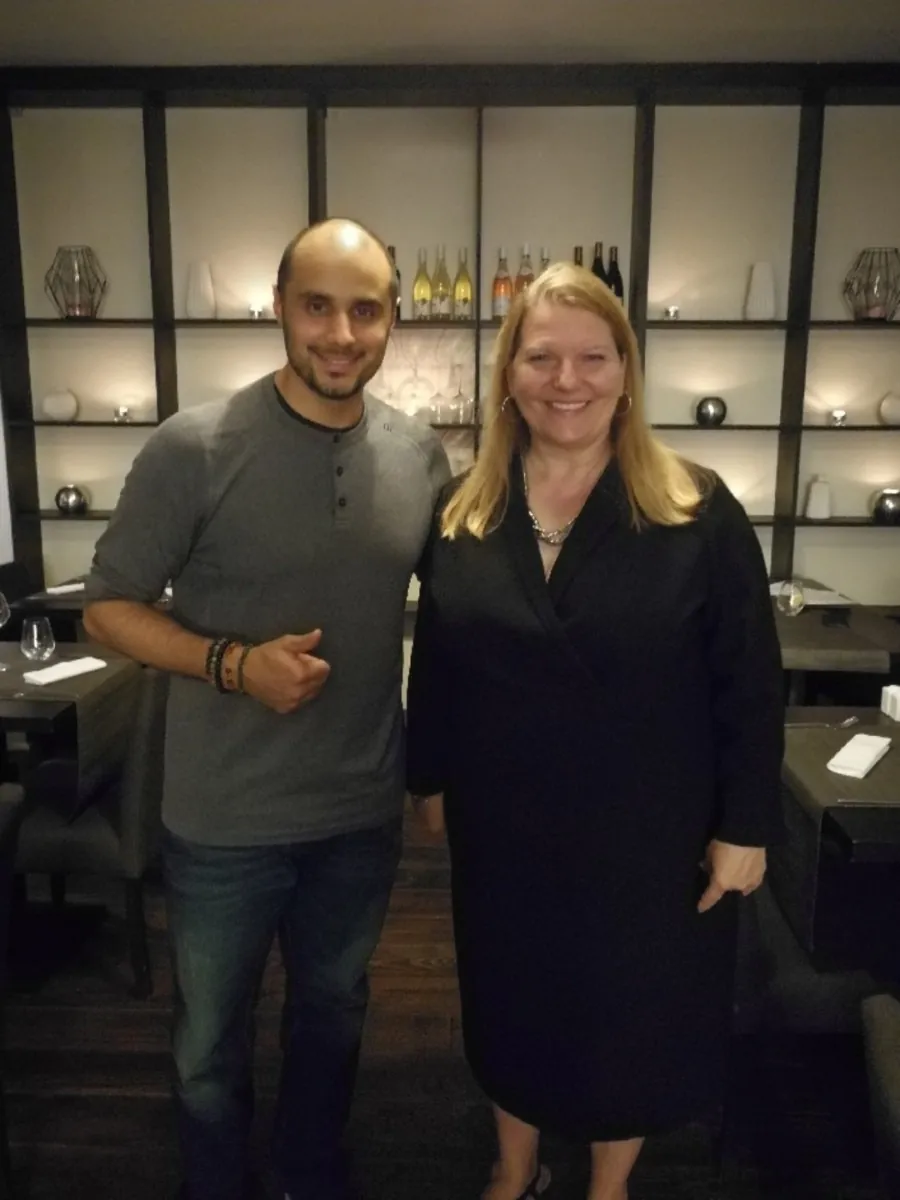
Meeting author Dr. Will Tuttle in Australia whose book influenced my entire vegan life. 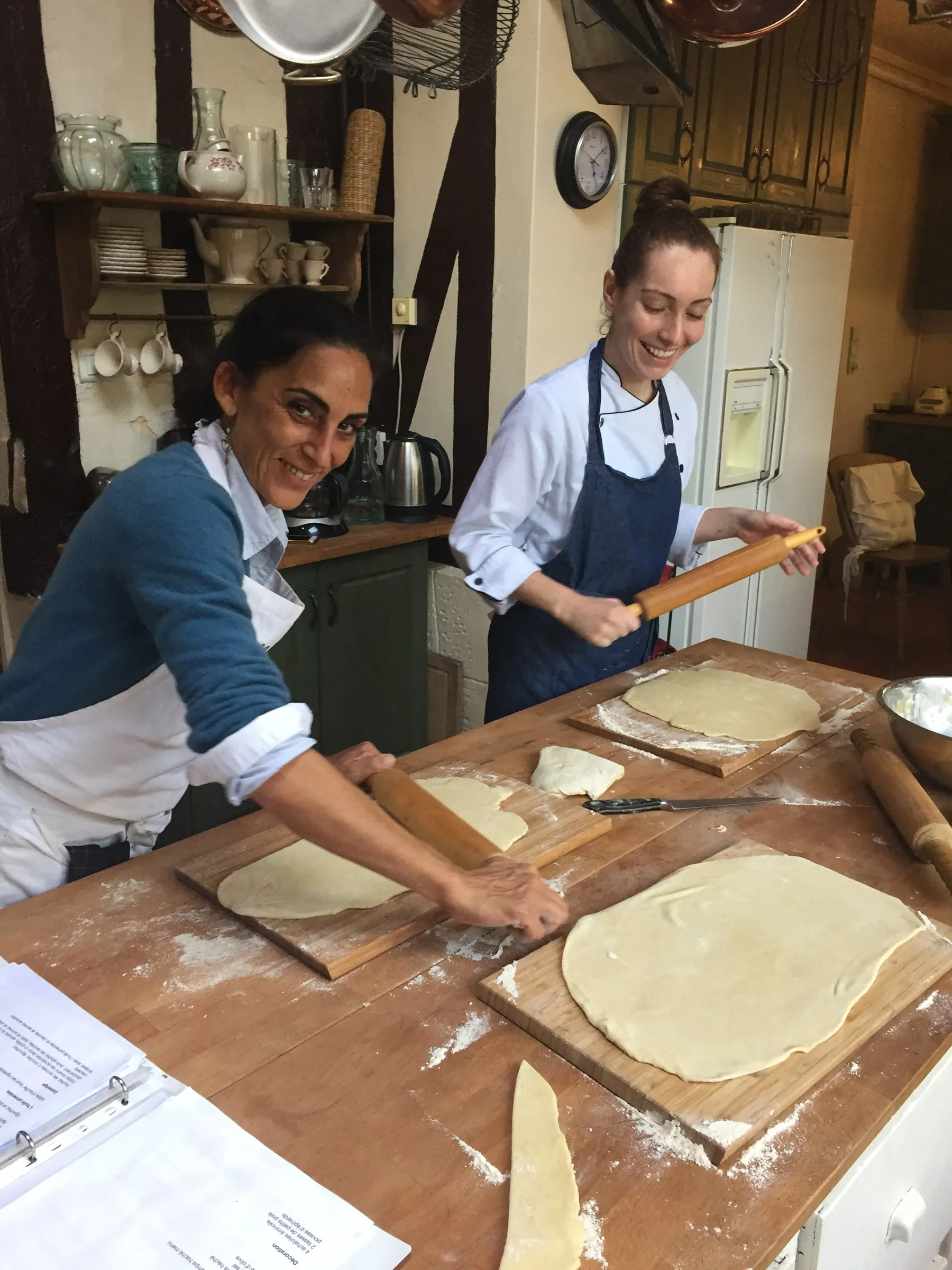
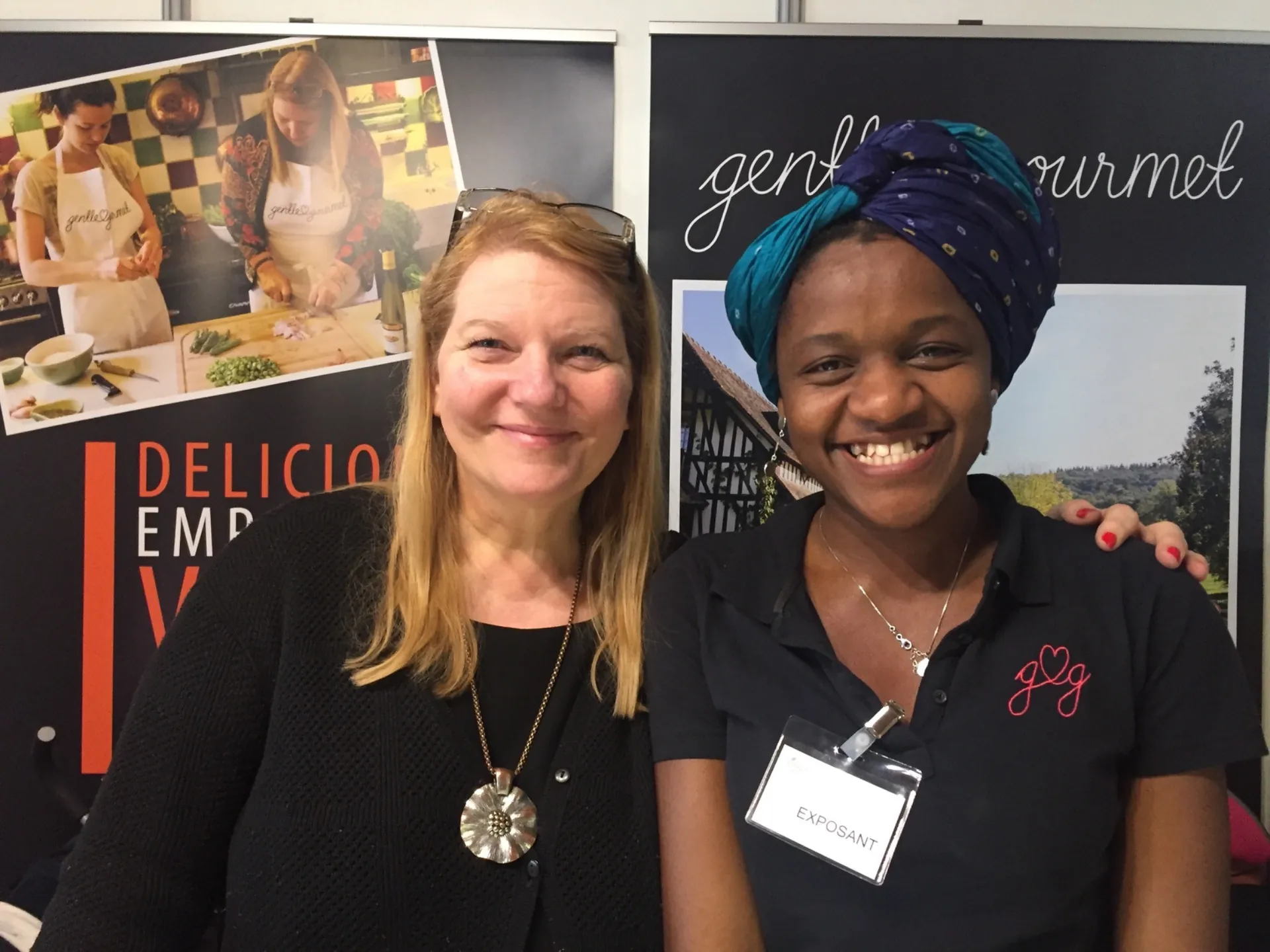
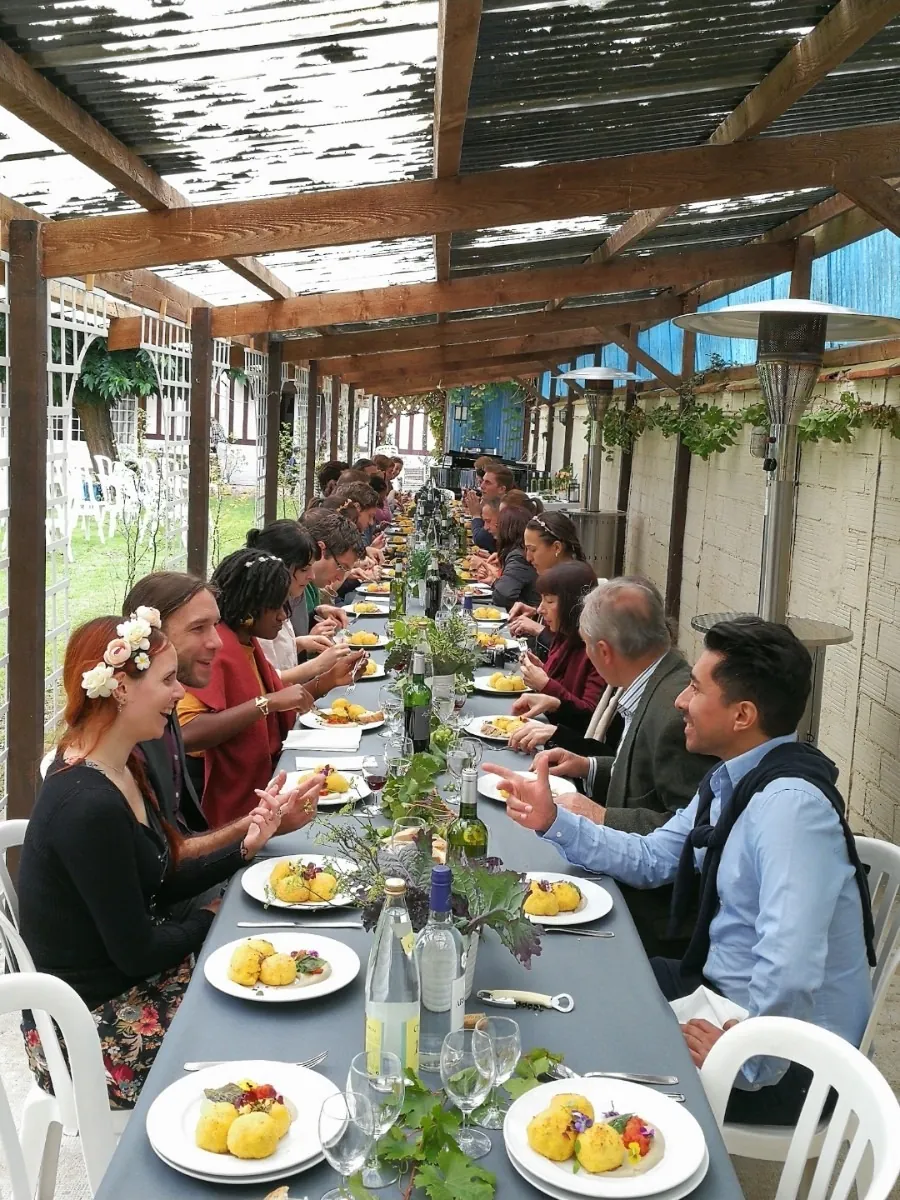
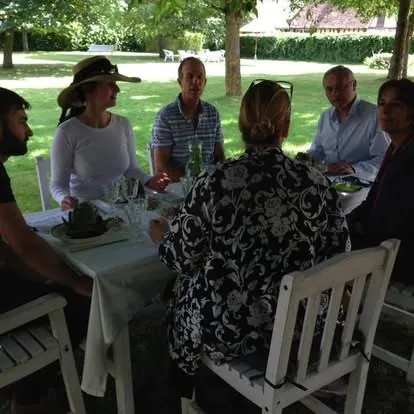
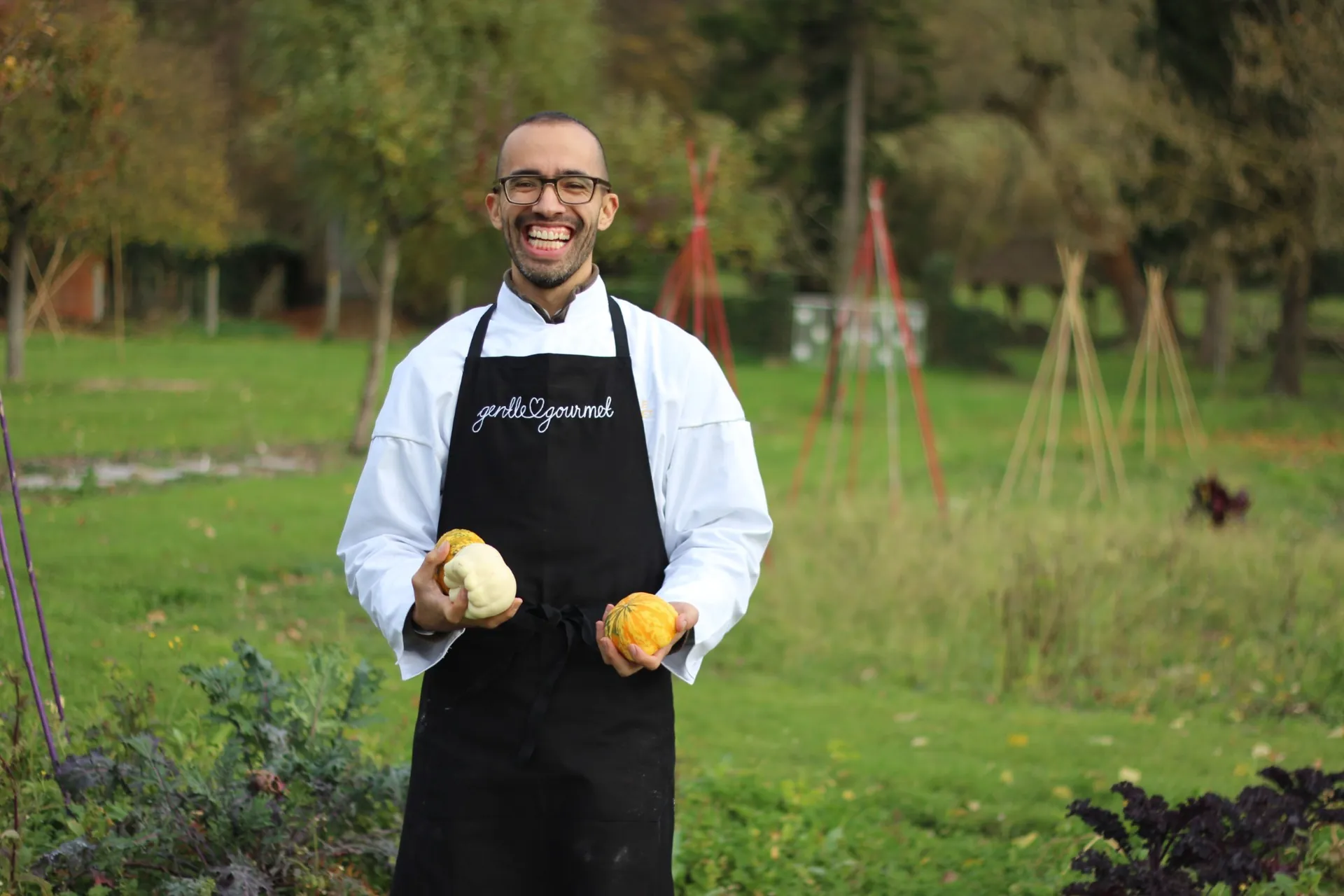
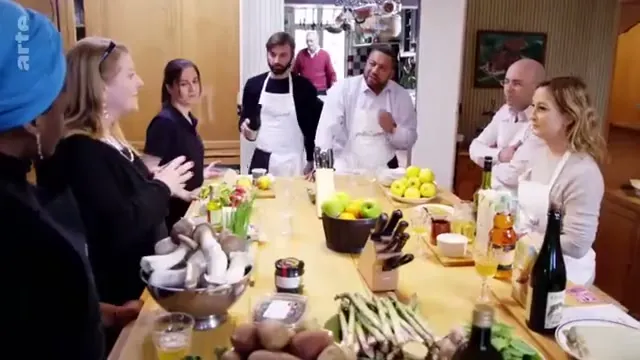
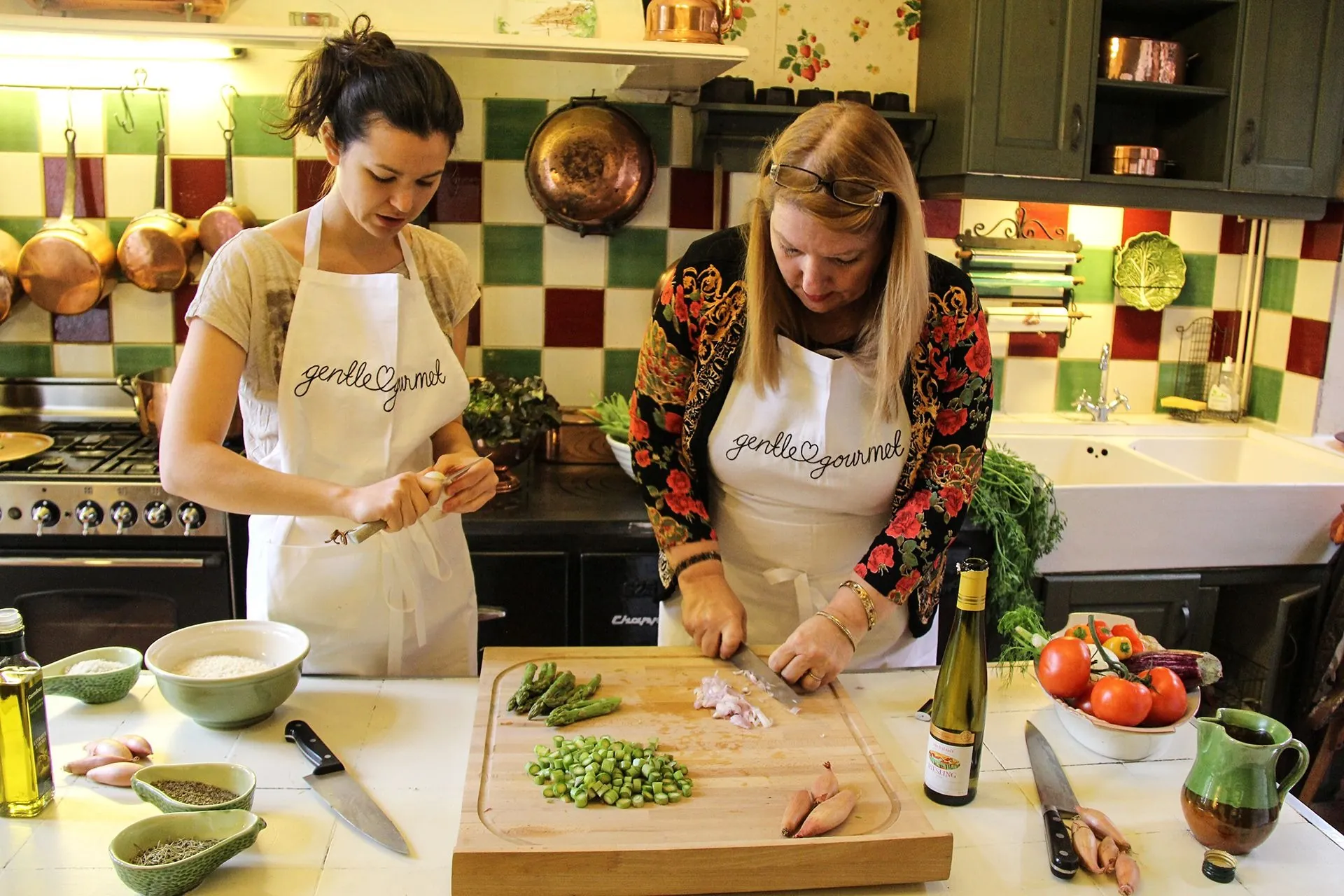
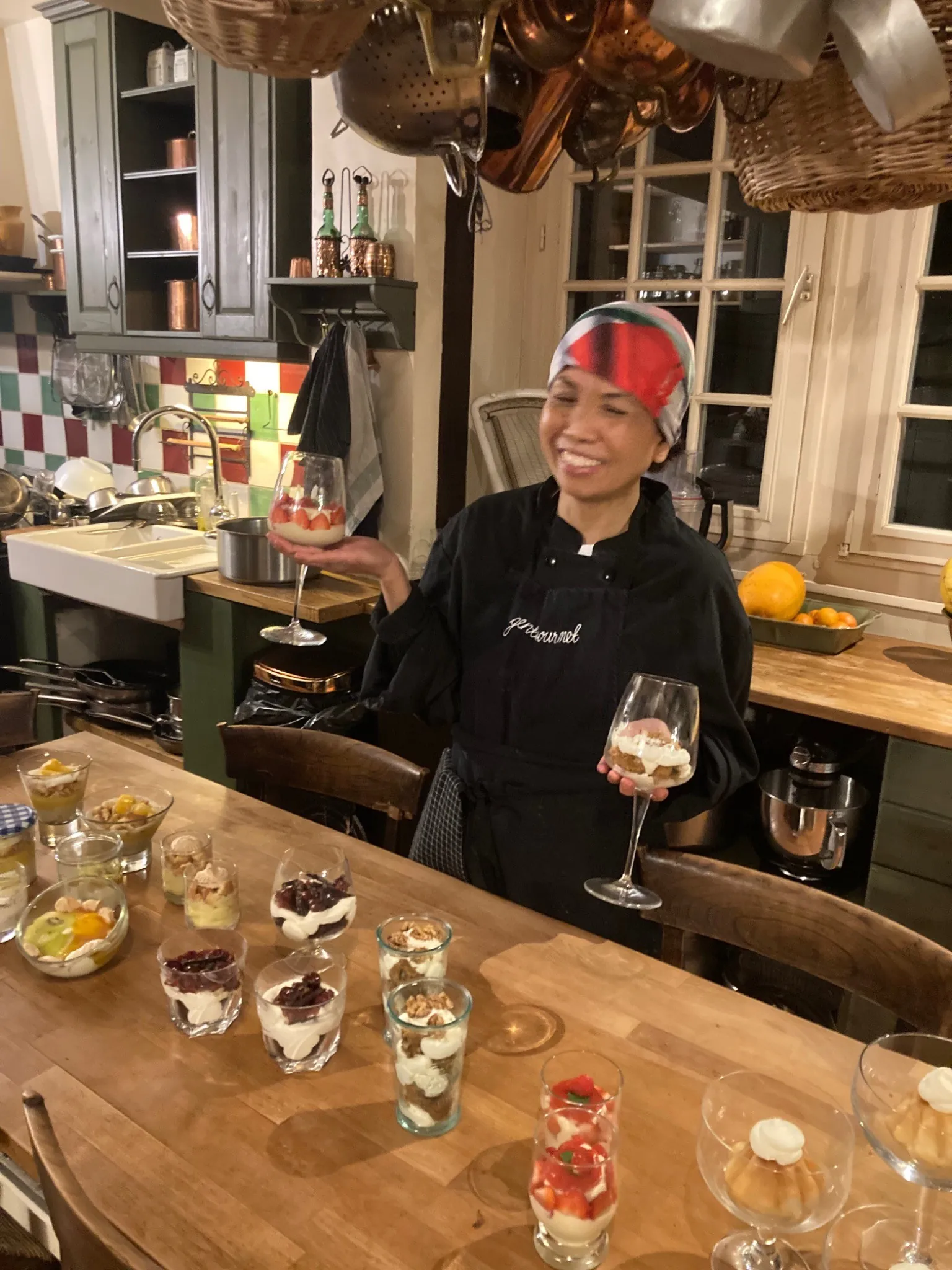
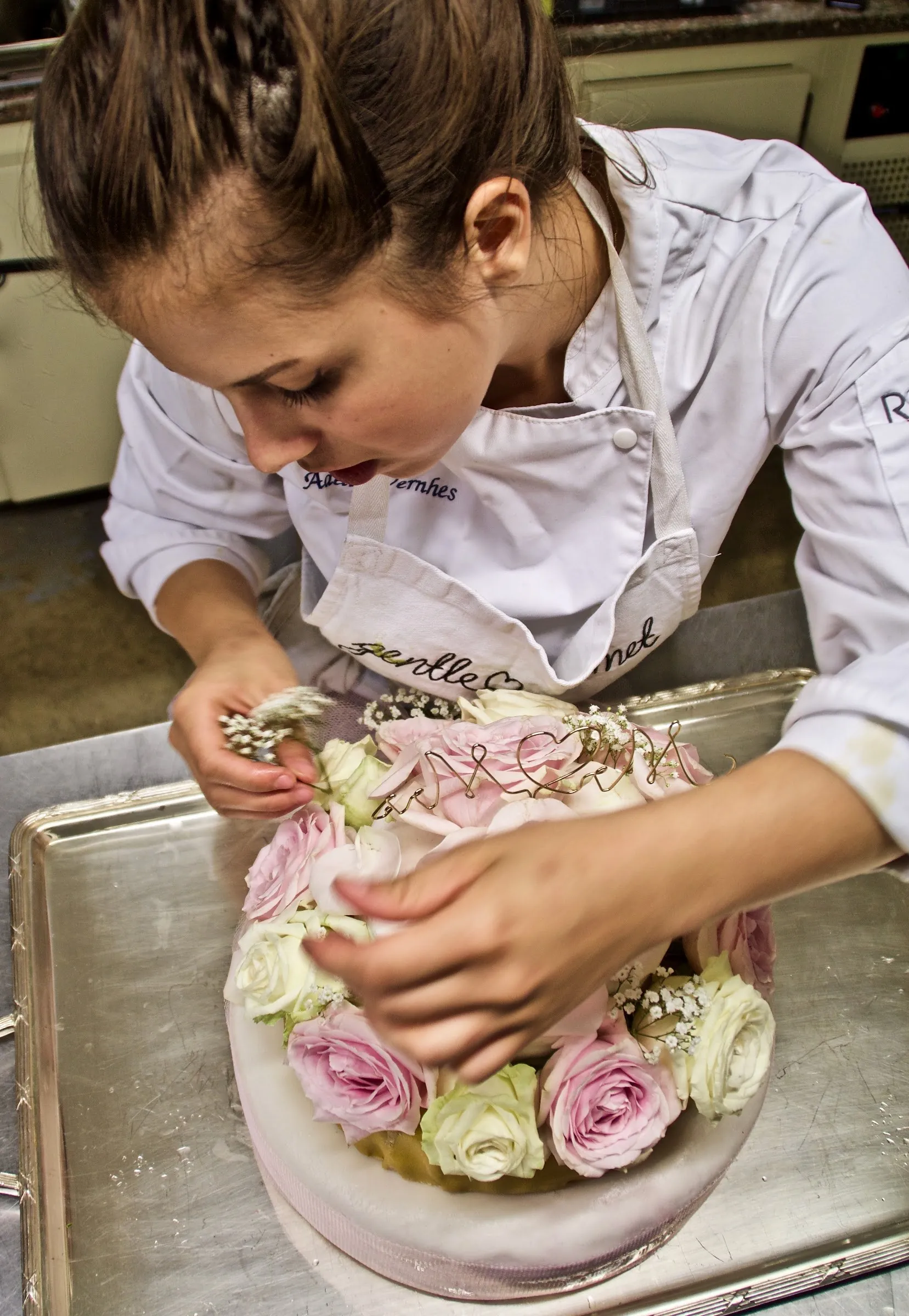
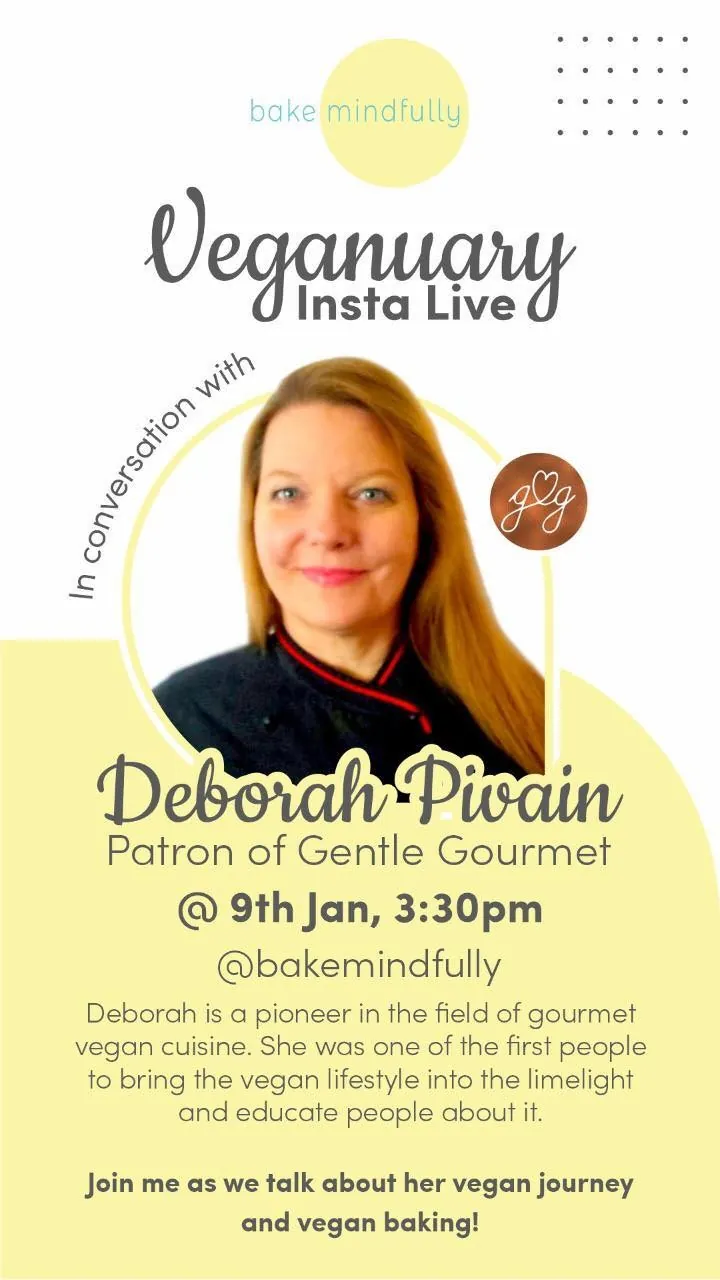
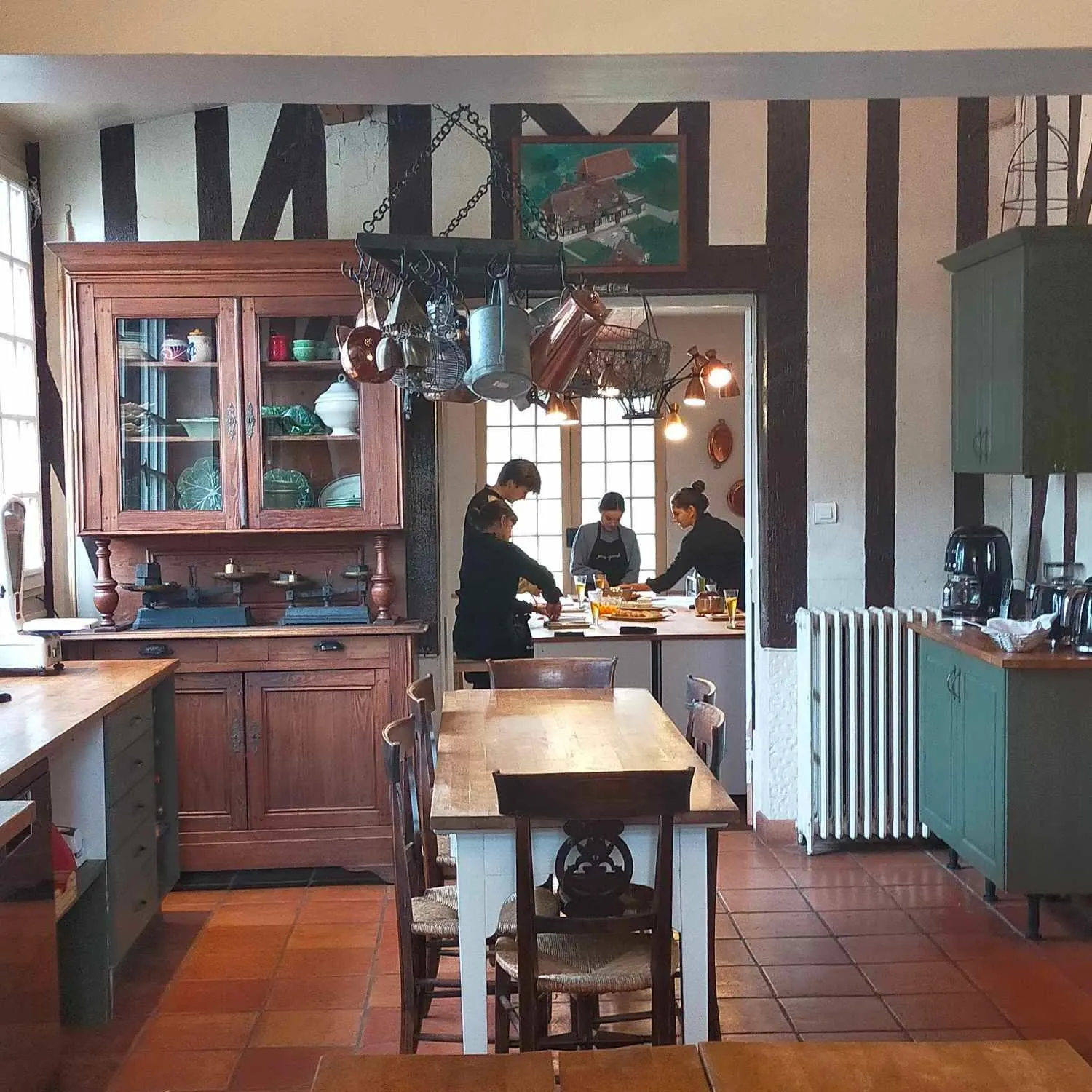
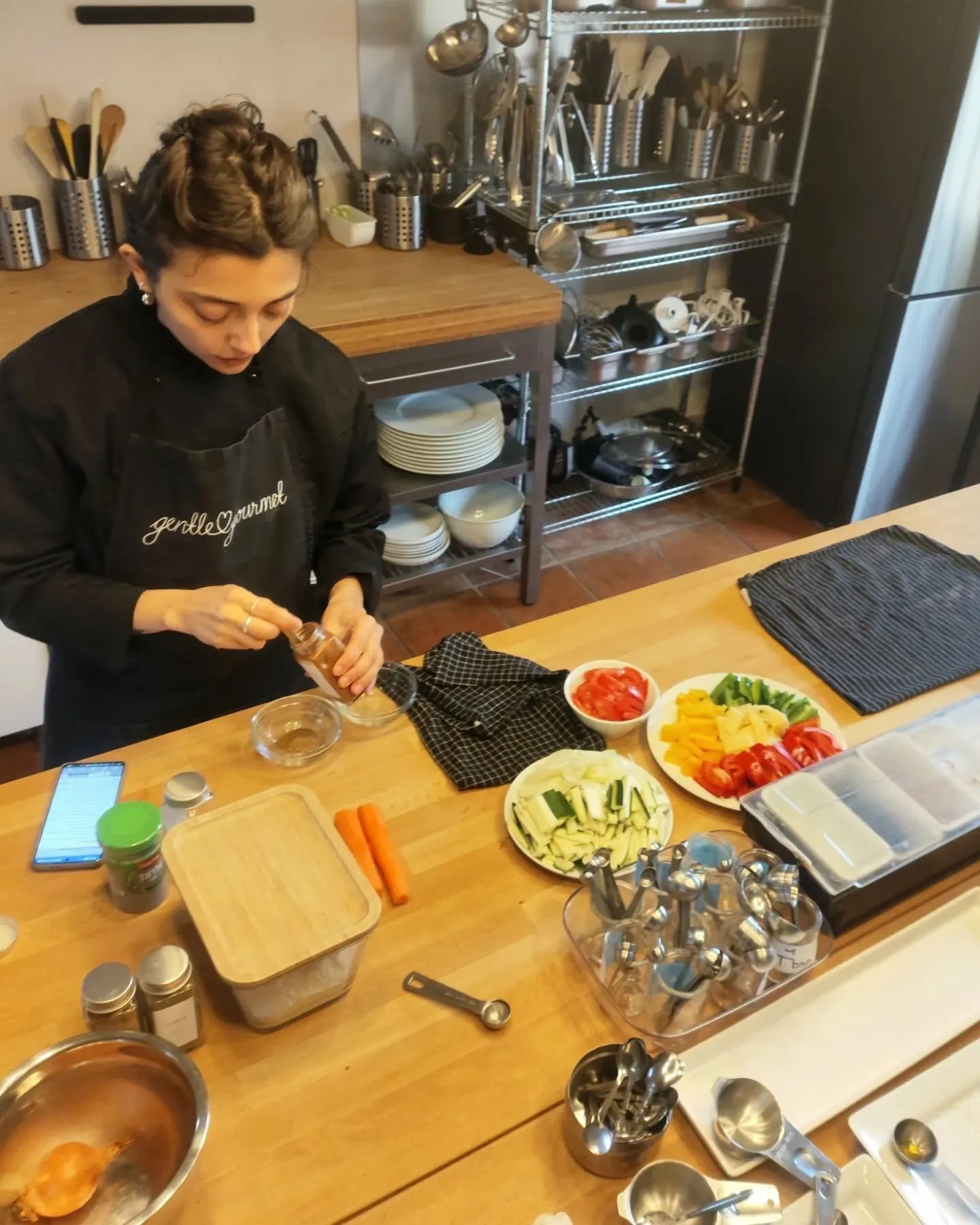
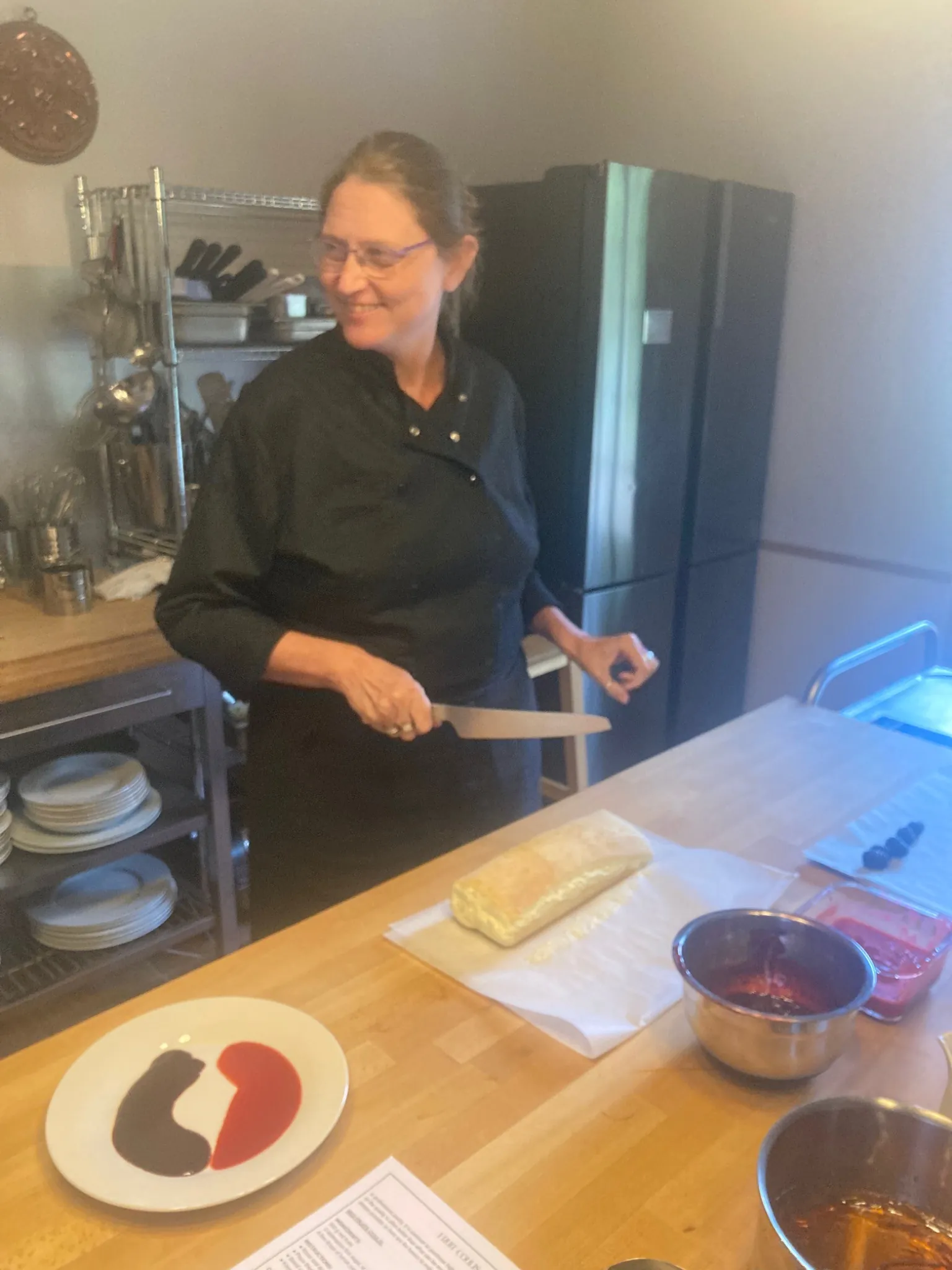
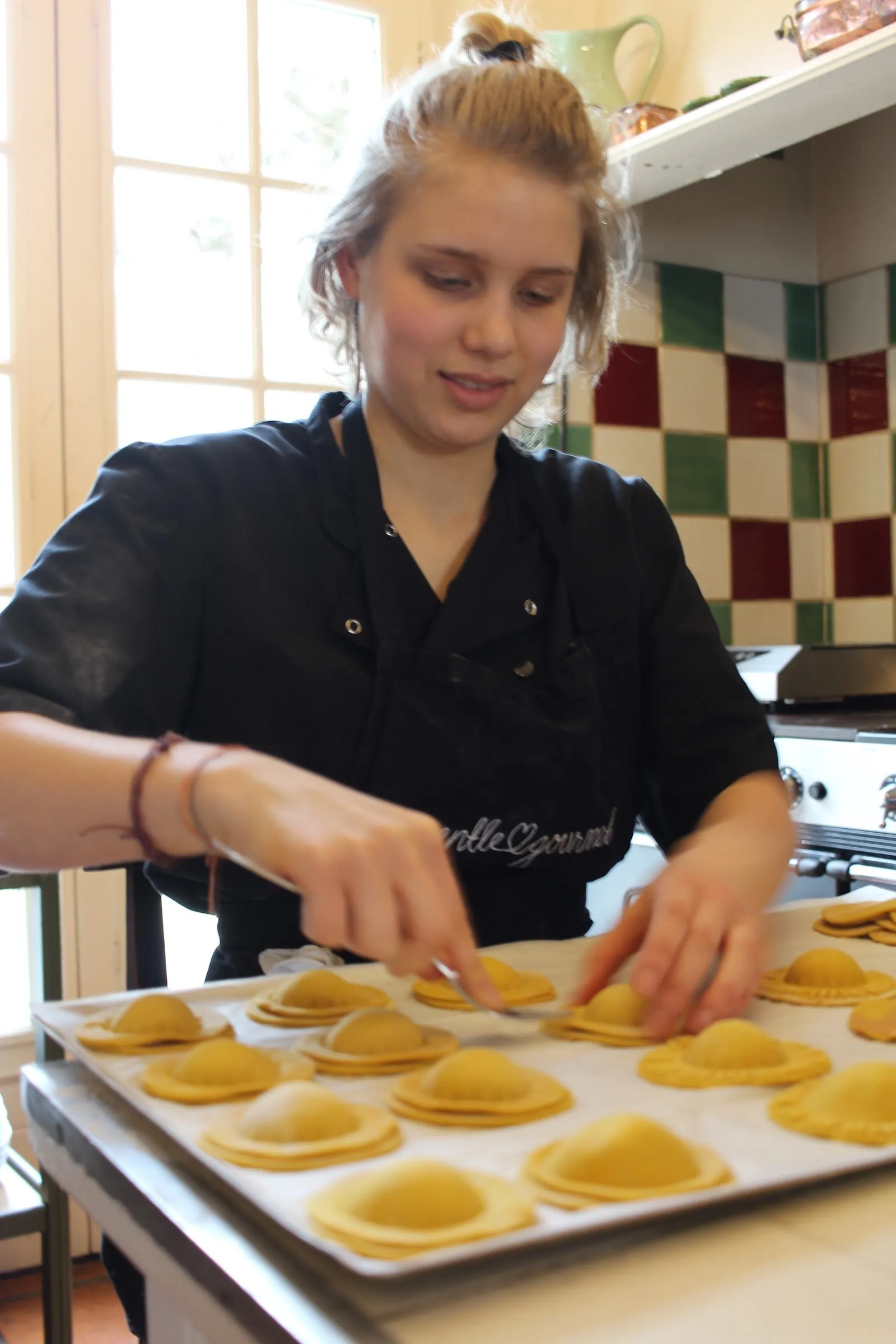
A class at the Domaine, in the Arte film. 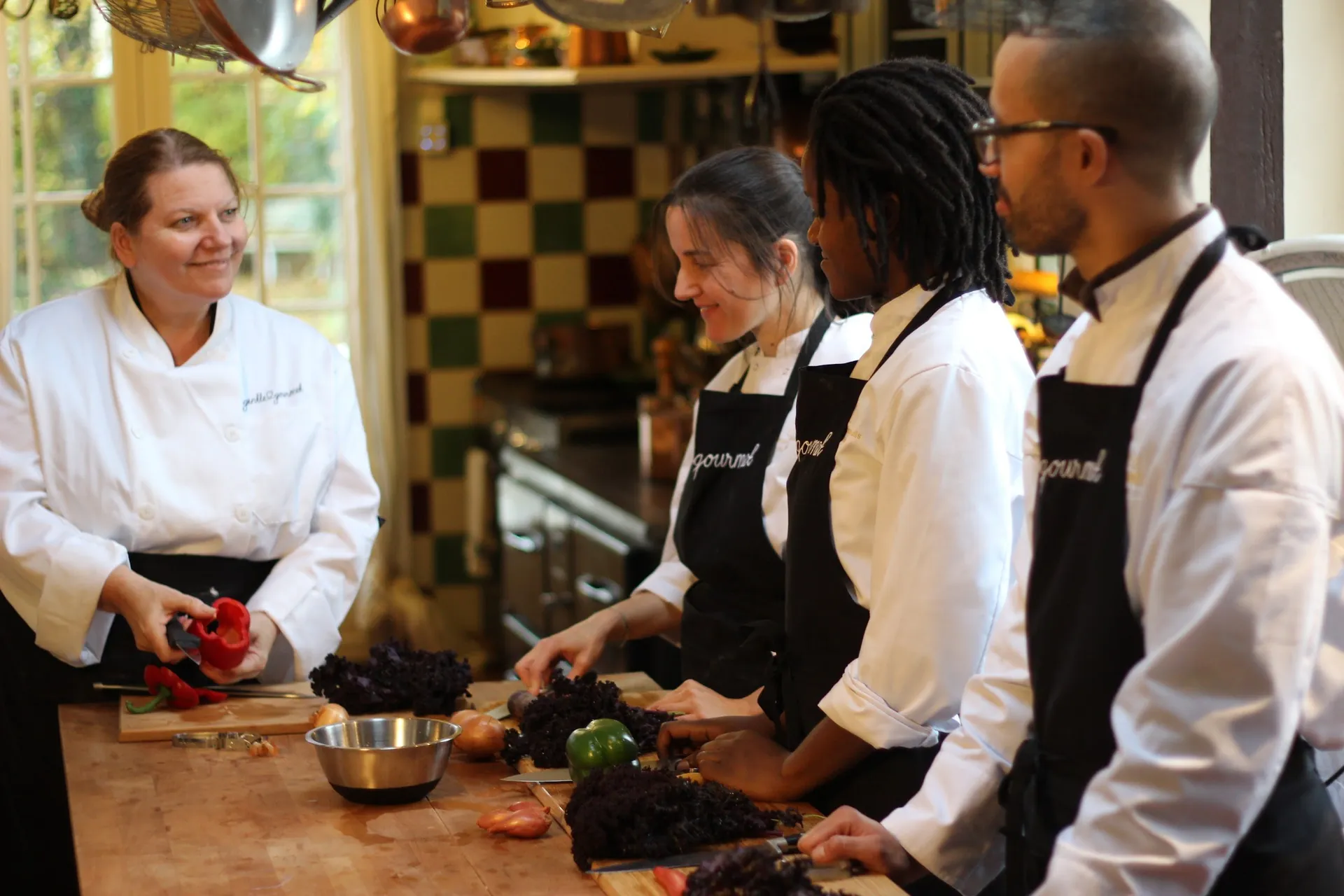
2020Brocfontaine
Back to Brocfontaine: a magnificent return to our roots
Gentle Gourmet settles permanently at the Domaine de Brocfontaine.
2027Programs
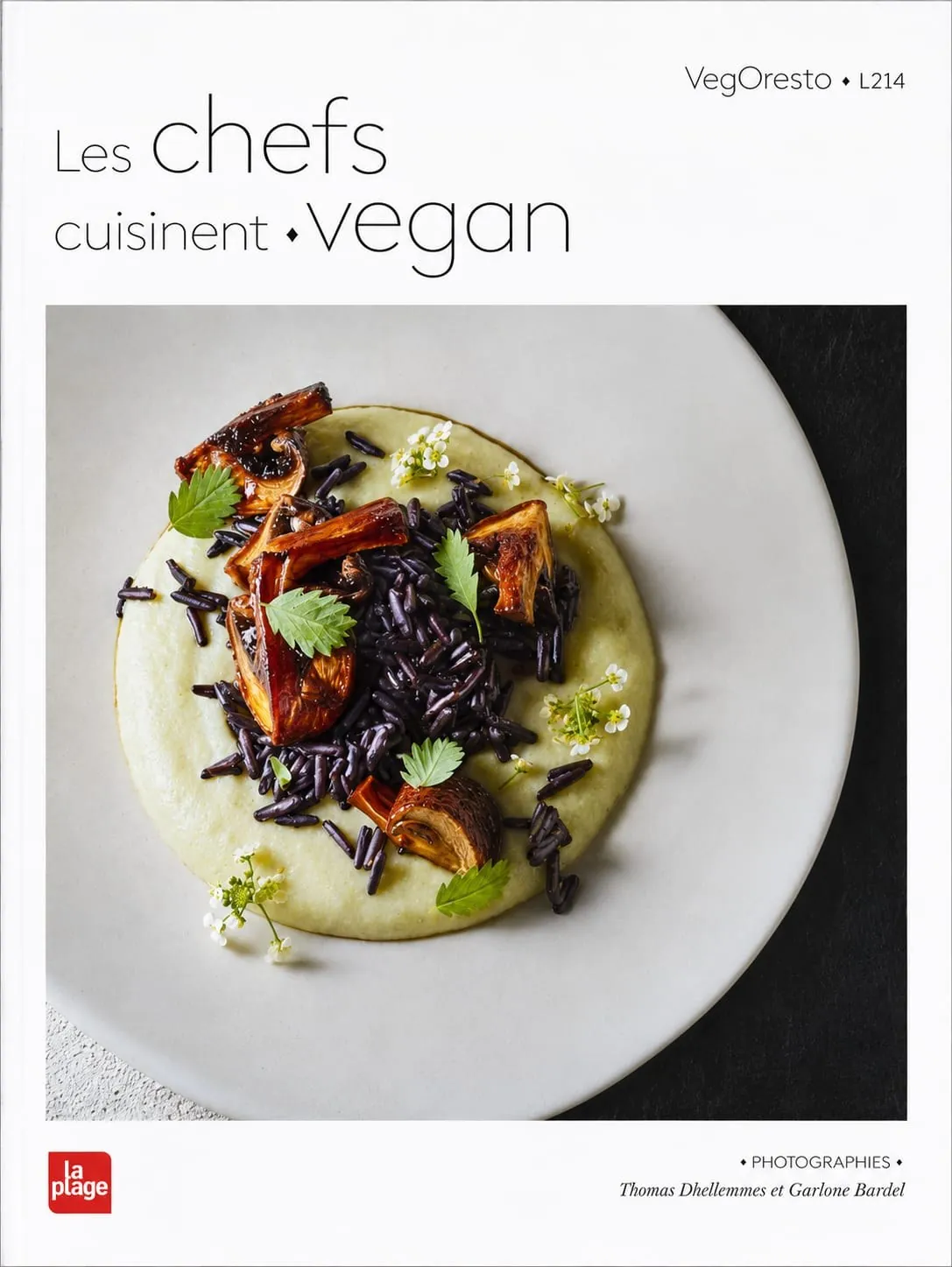
Two Master Diplomas, a certificate program, a cultural-culinary experience
In the press.
Scroll →
“Le Frigo Sans Animaux”: the full video on CitizenV →
“Vivre végan, le nouvel éden ?”: read the transcript
The Aligre market is held six days a week in the 12th arrondissement of Paris. Every French culinary specialty is represented. This market is a temple of the French art of living and of our culinary culture, appreciated and admired around the world. The American Deborah Brown Pivain adores French cuisine. Settled in Paris for nearly 40 years, she has kept the American pioneer spirit and opened a gourmet vegan restaurant in the capital.
Deborah To open a vegan restaurant in Paris, you need perfect command of both vegan and French cuisine. French cuisine is appreciated for its spirit, its techniques, its first-rate produce. There is a whole history of flavors, textures and sensations. I love the idea of veganism. And being able to combine that with my love for Paris was ideal.
To avoid working with animal products, Deborah Brown Pivain replaces dairy with plant-based substitutes. But do they lend themselves to cooking as well as cow's milk?
Deborah Making a crème brûlée poses no problem for us. The same goes for macarons and the choux pastry of our éclairs. Our customers love them. It is with cheese that we have difficulties. There, we are still novices. It will take a little more time and a little more experimenting to reach such variety. The French have 486 kinds of cheese and it took them a millennium to get there. So we vegans have a little leeway.
Vegan cuisine is extremely varied. Replacing animal products with plant-based alternatives takes a great deal of inventiveness. To recreate the taste of a pork cutlet, the secret lies in the choice of spices and in the techniques that imitate the texture and consistency of meat. For taste also comes through visual pleasure.
Even at dessert, vegan cooks know their subject. When the culinary skill is there, vegan cuisine is as tasty as conventional cuisine.
Opening a vegan cooking school in the heart of Normandy, one of the centers of French dairy and cheese production, was a bold bet. Yet that is what Deborah Brown Pivain did. For her, the exceptional French culinary tradition should not be limited to serving ortolans in Armagnac. The range of flavors in vegan gastronomy is far from having revealed all its secrets.
Deborah Do we have a range of all the flavors? No, not for now, nor of all the textures. But our bold spirit pushes us to try new experiments. We cook ingredients no one has ever thought of using. We are not restricted in our choices, quite the contrary. The field of possibilities is immense.
From this point of view, veganism may even represent a promise for the future of French cuisine.
Capital (M6): read the transcript
Asked how to eat more healthily, one woman thinks she has found the recipe. She lives in one of Paris's smart neighborhoods and she is American. Deborah teaches cooking at home, and for two years people have been flocking to her. Private students who have each paid 90 euros for the half day to learn to cook a food with a strange name.
Deborah We're going to talk about tofu, about the different varieties of tofu, and we'll try to find a way to prepare it simply.
Tofu is that white paste that looks like cheese. A food much loved in Asia but still little known in France. So Deborah has come up with a whole range of recipes for cooking it. Rolled in cucumber, marinated with shallot, or even flavored Italian-style.
Deborah I'm making an Italian-style tofu marinade, with basil, fresh herbs, white wine vinegar, lots of good things.
Easy to cook and, it seems, delicious.
“Le Frigo Sans Animaux”: read the transcript
Question So what is your signature recipe, the one you make all the time?
Deborah I don't have one recipe I make all the time, but there is one I adore. It's a recipe we used to make at the restaurant. It's a bourguignon, really in a sauce like a normal bourguignon. So red wine and all that. But with portobello, portobello mushrooms, as well as seitan. And we served it in half a red kuri squash. That one showed how you can make a recipe plant-based, vegan, and then more contemporary and healthier, when it starts out a bit heavy. And it became, well, it's delicious, it's good for your health, it's colorful. It looks wonderful presented in the squash.
Question And what is your best discovery in plant-based cooking?
Deborah Plant-based cooking, well, personally, for me, it changed my place in the world a little. In the sense that cooking in a way that harms no one, that contributes strongly to justice, actually brings you a lightness of spirit and a feeling you don't easily find in this world, at times difficult and violent. And so cooking vegan has brought me real happiness, which I have tried to share for more than ten years. And there it is.
Question Well, that's beautiful, a lovely definition of plant-based cooking.
“Veggie Love”: read the transcript
Deborah I saw a film called Sabrina, and in Sabrina, she had come to Paris to learn how to cook. And I said to my mother at that time, when I was about seven, oh, when I'm all grown up, I'm going to go to Paris. I came to France at 19. I was a vegetarian when I was 12 years old, and so I had already quite a bit of experience by the time I came to France.
This restaurant is definitely not, for me, quote-unquote, a business. It is, in a sense, my current form of vegan promotion and activism, without a doubt. It's normal because this year, for example, we served over 20,000 meals. That is a lot of cruelty-free, just food.
Actually, I'm really crazy about fruits and vegetables. I like to cut them, I like to peel them, I like to look at them. I used to call them edible gems, so probably that is what represents me the most. So I used to grow 743 different varieties of food. I had this one pumpkin, it was actually black, and it had little yellow spots on it, and it was called Moon and Stars. And so, you know, it was an artistic, Mother Nature kind of endeavor.
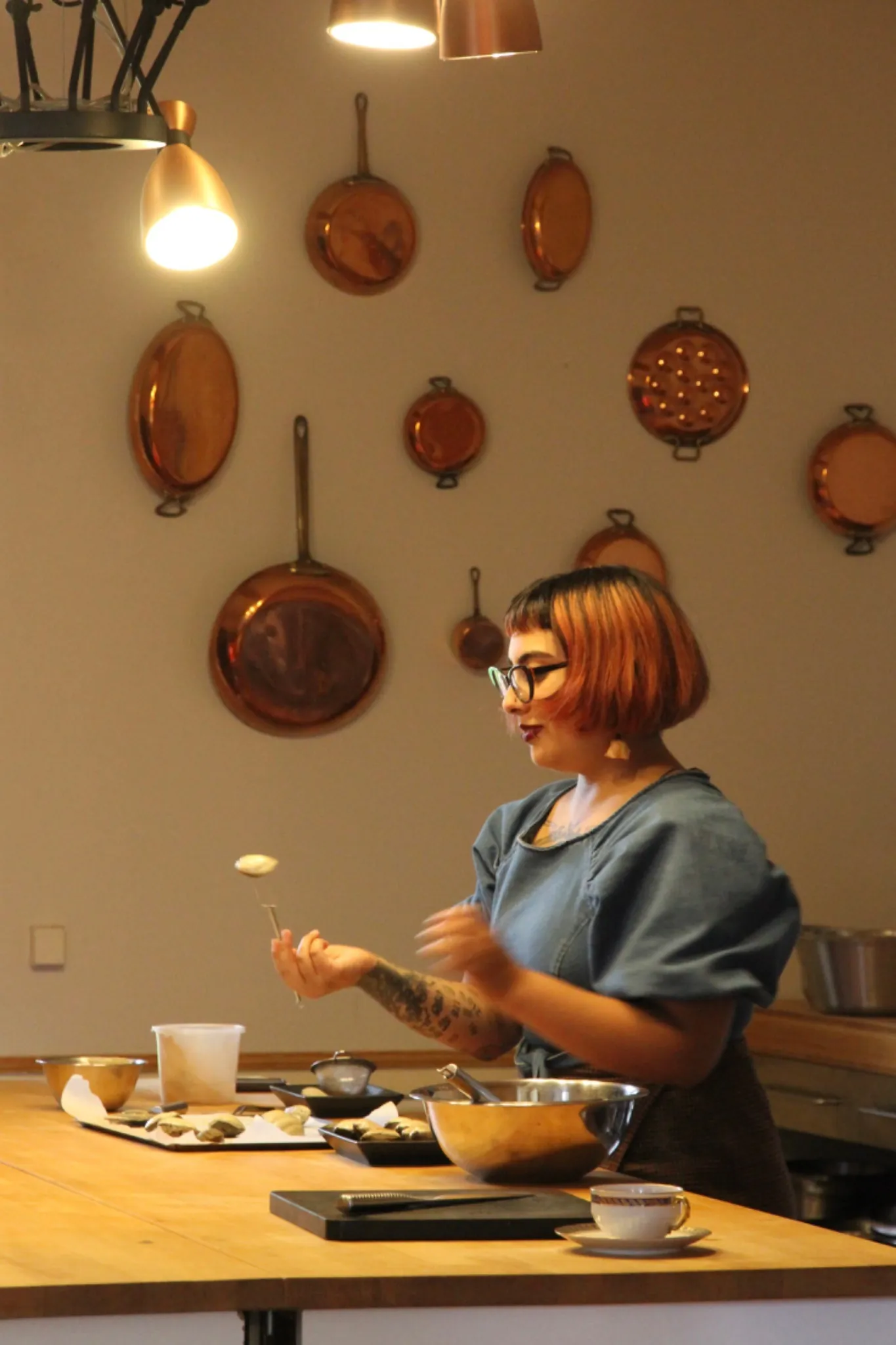
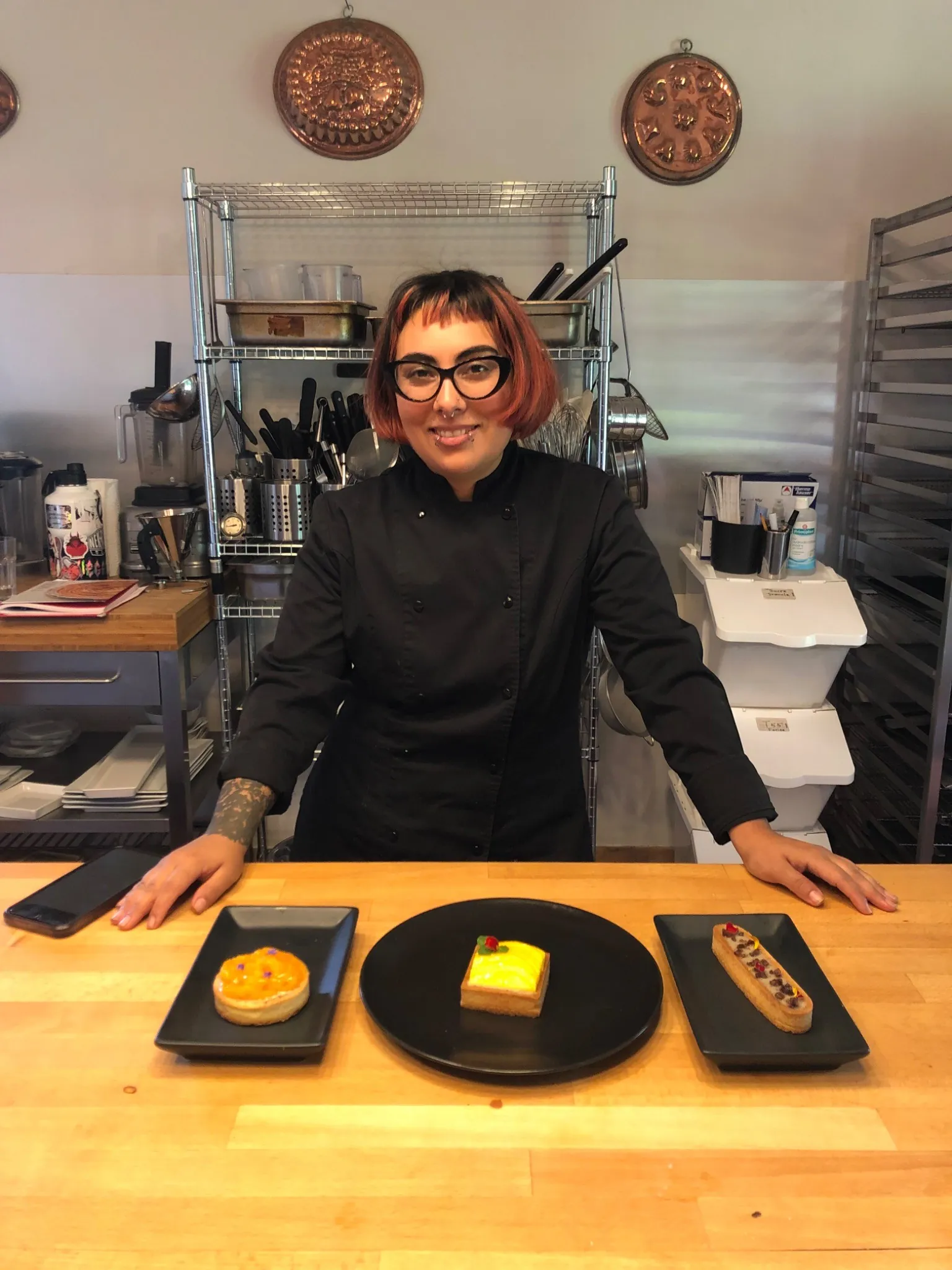
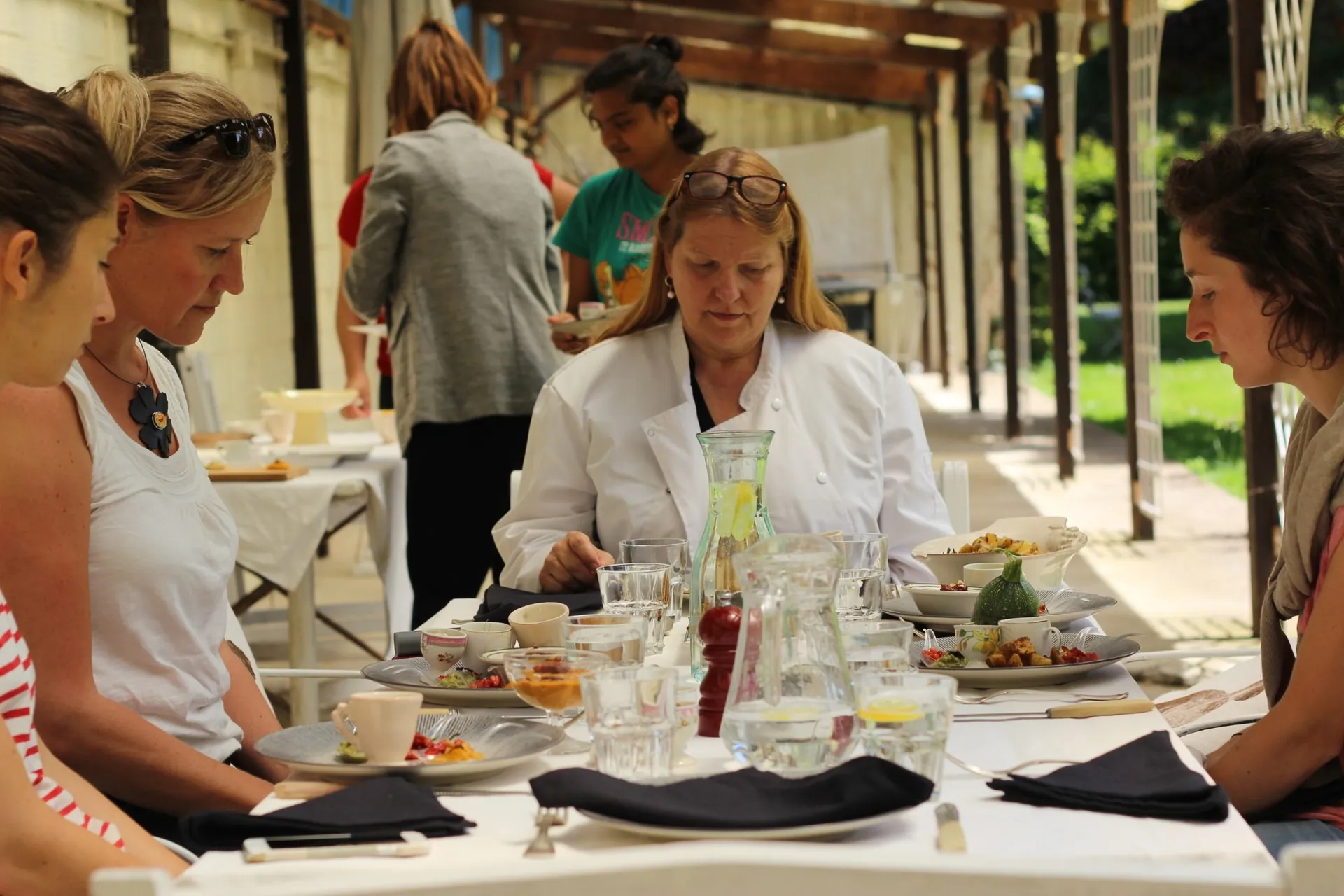
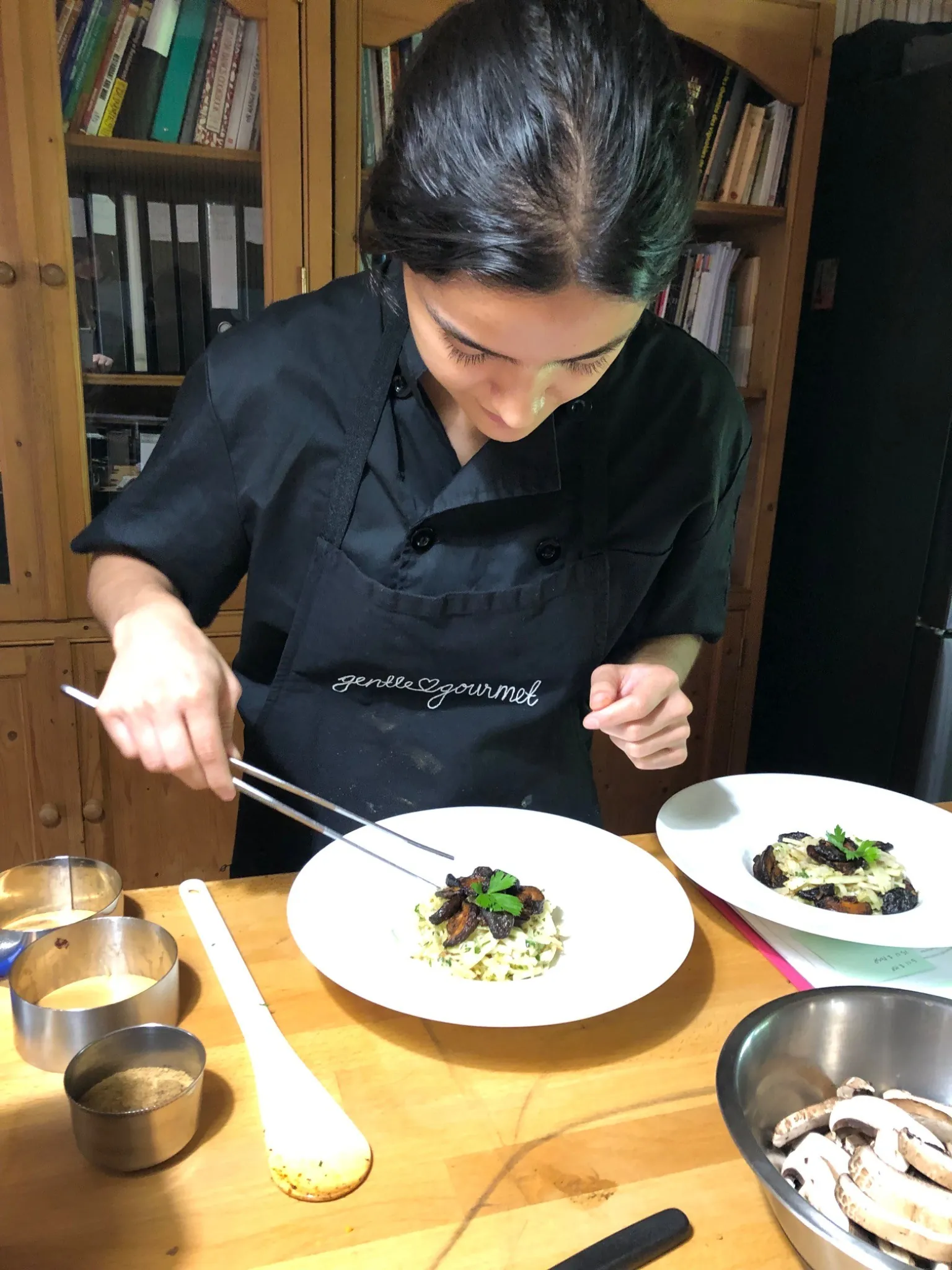
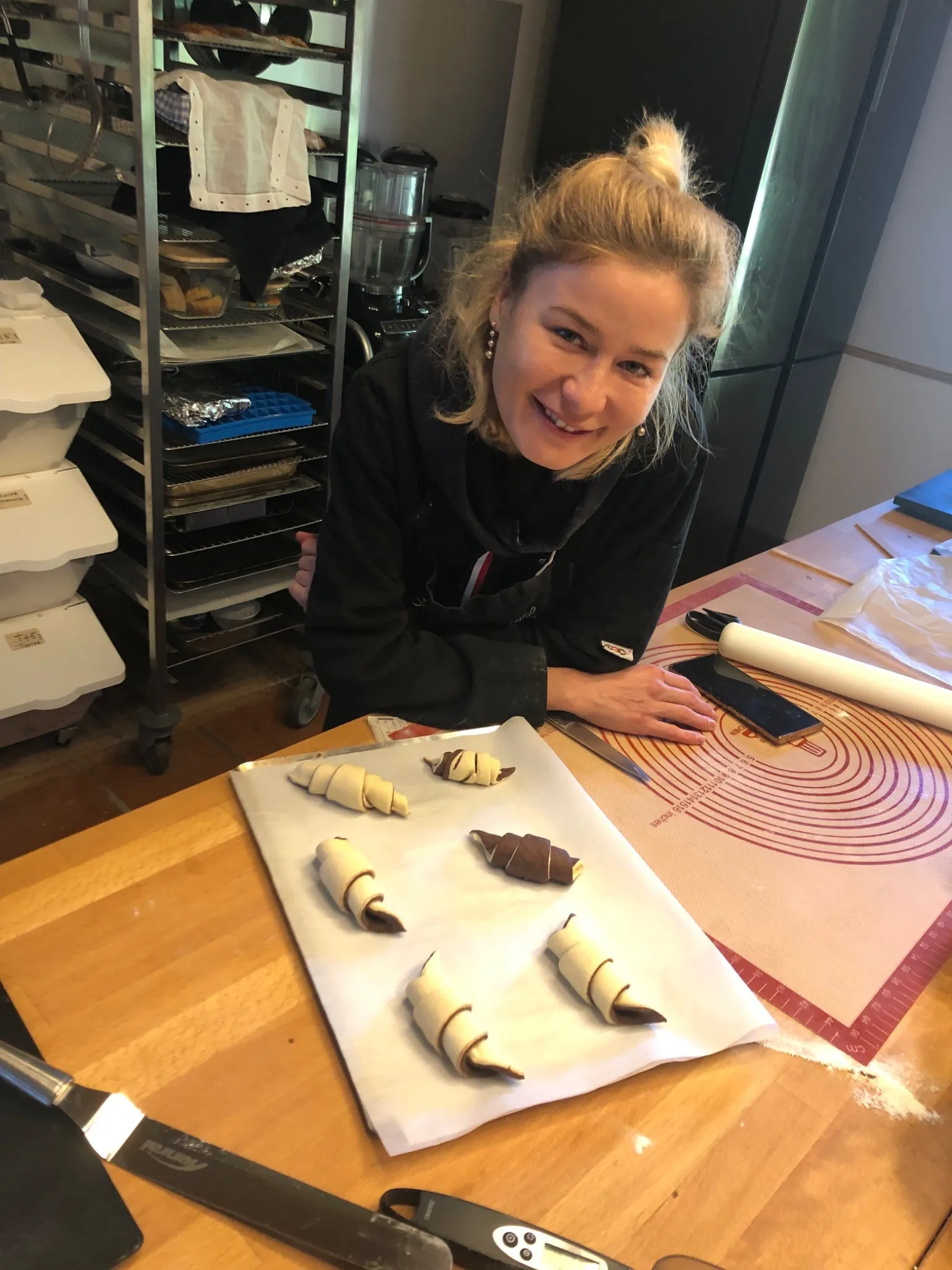
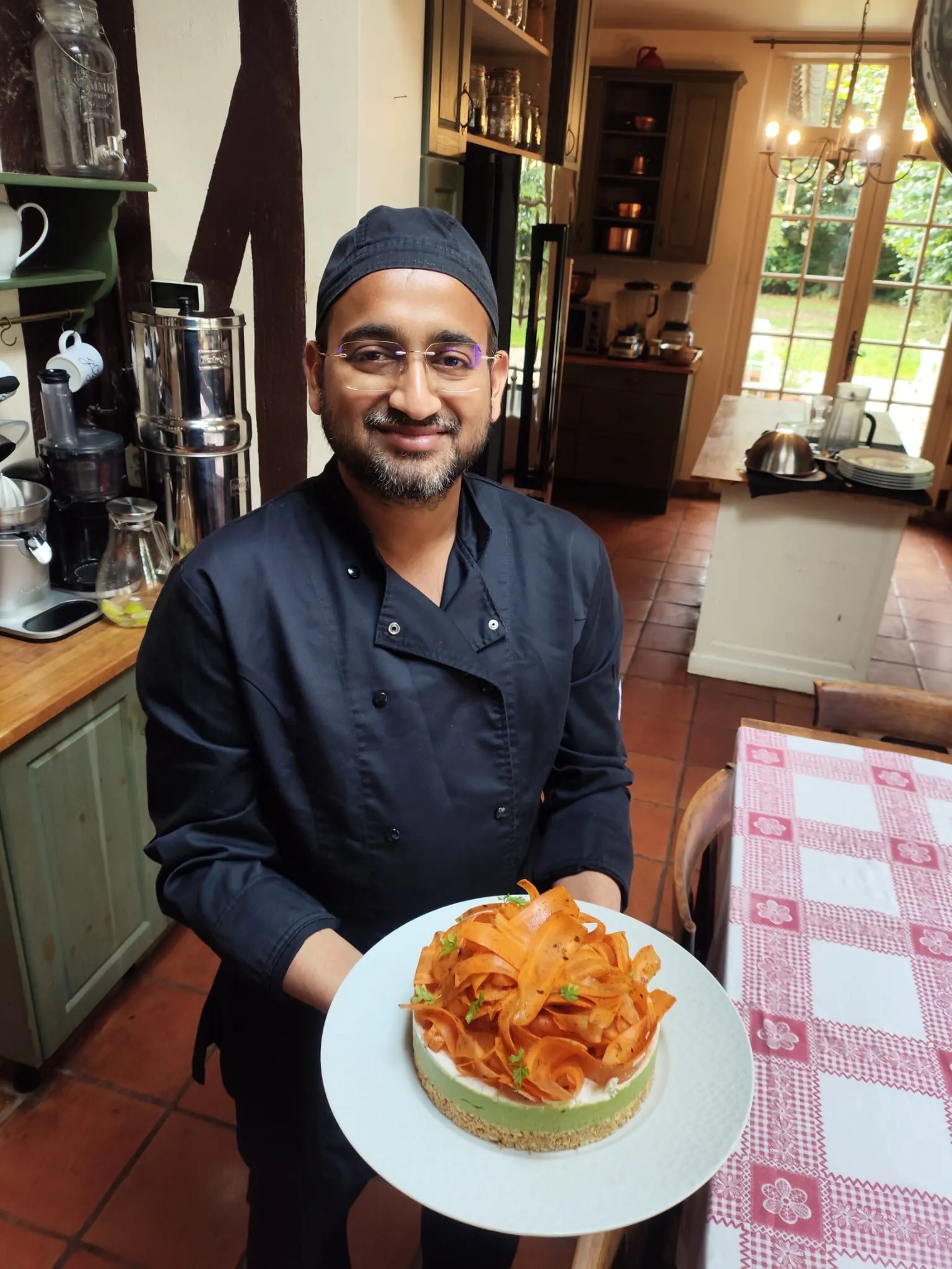
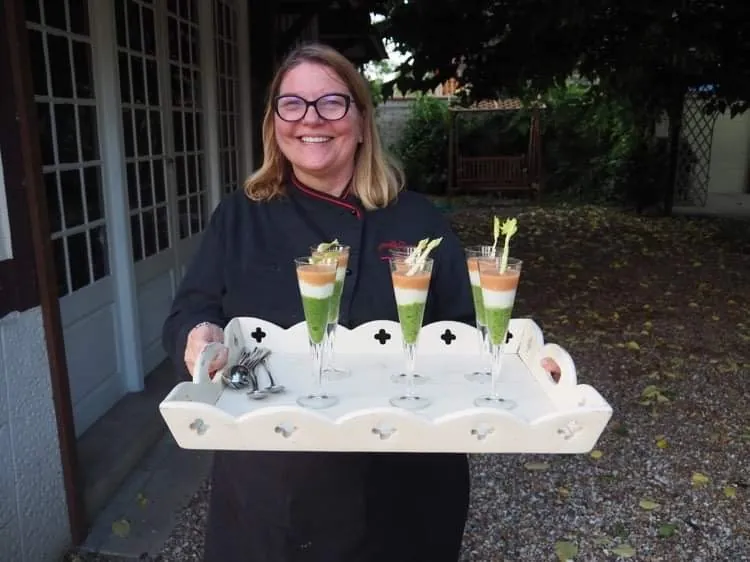
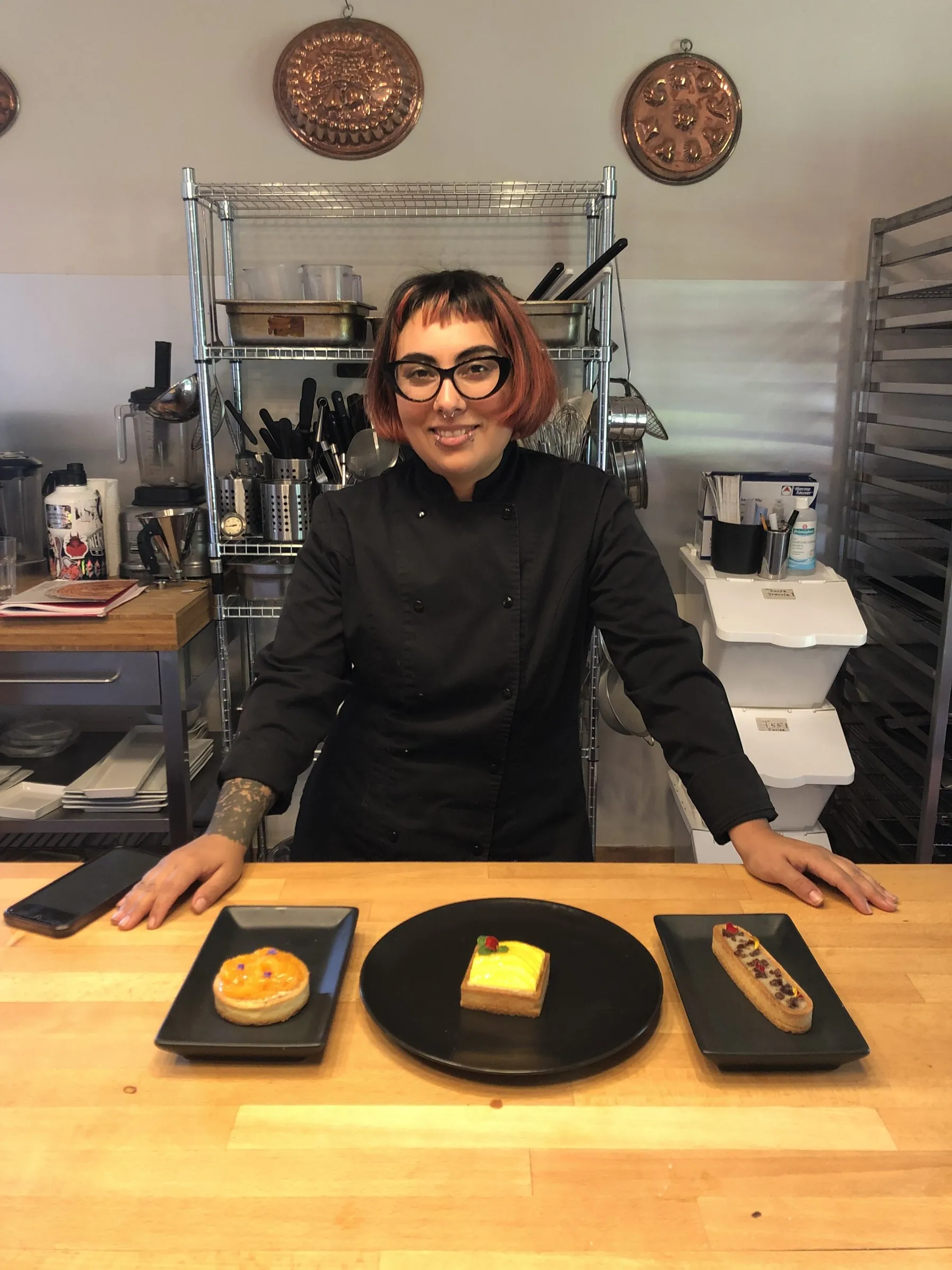
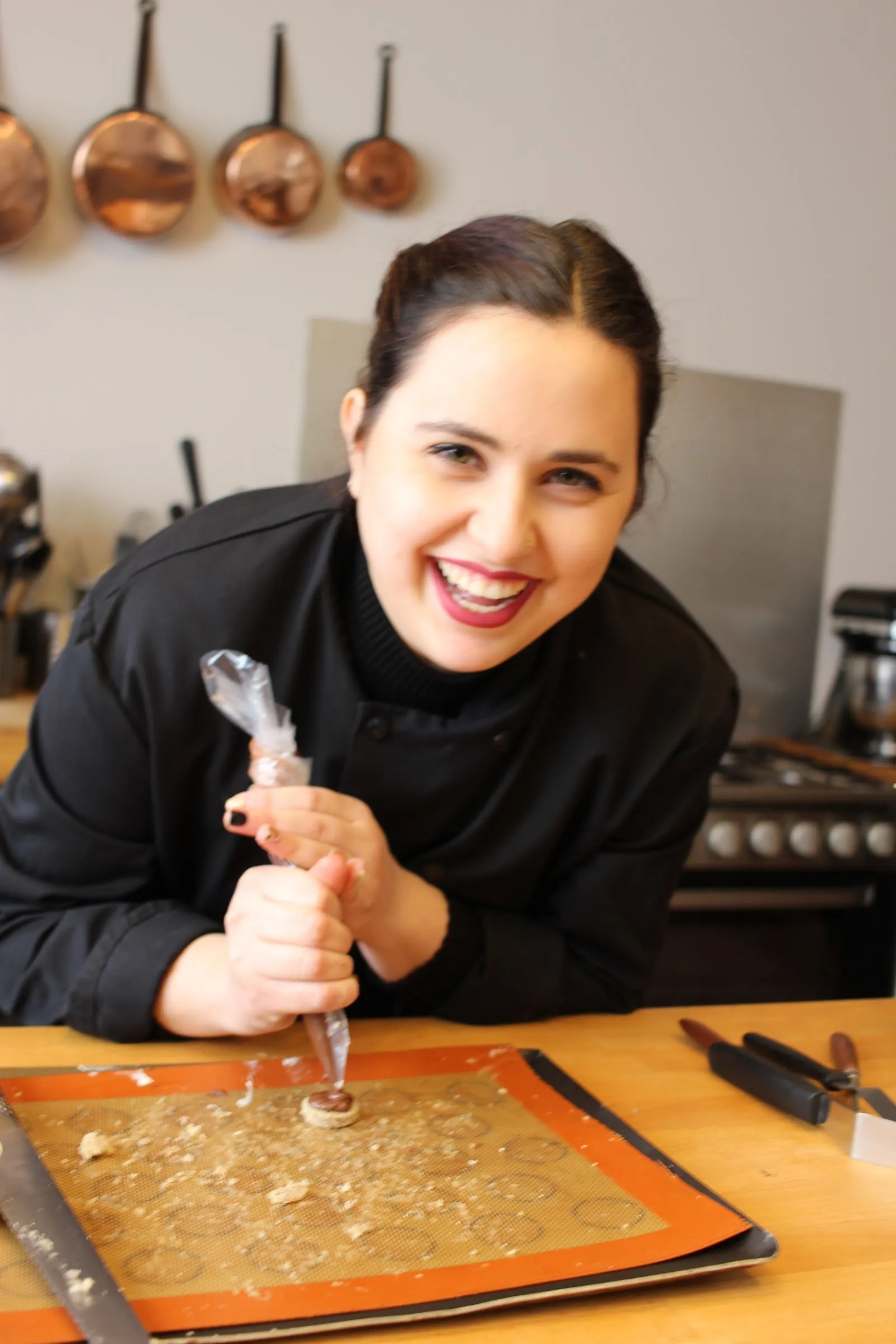
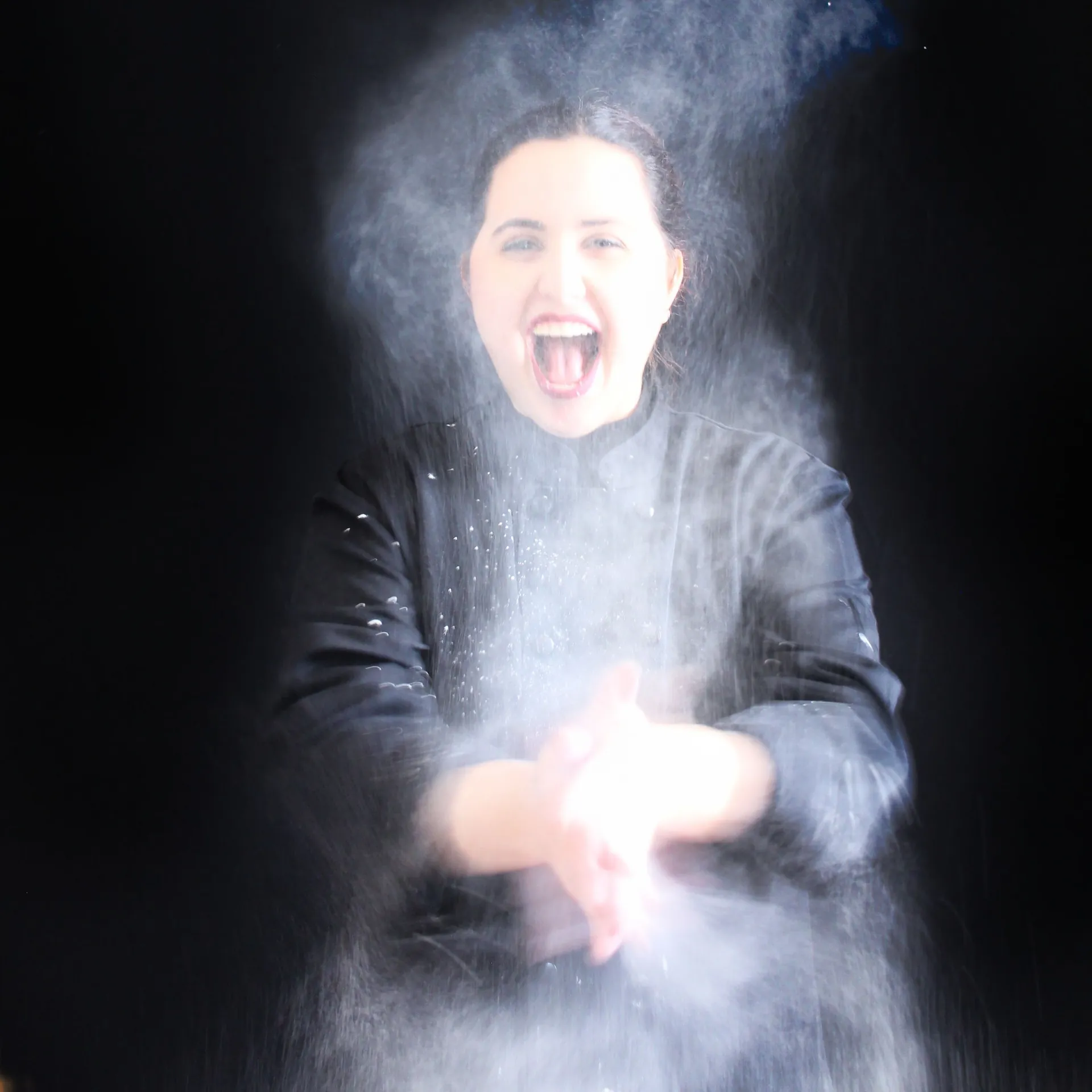
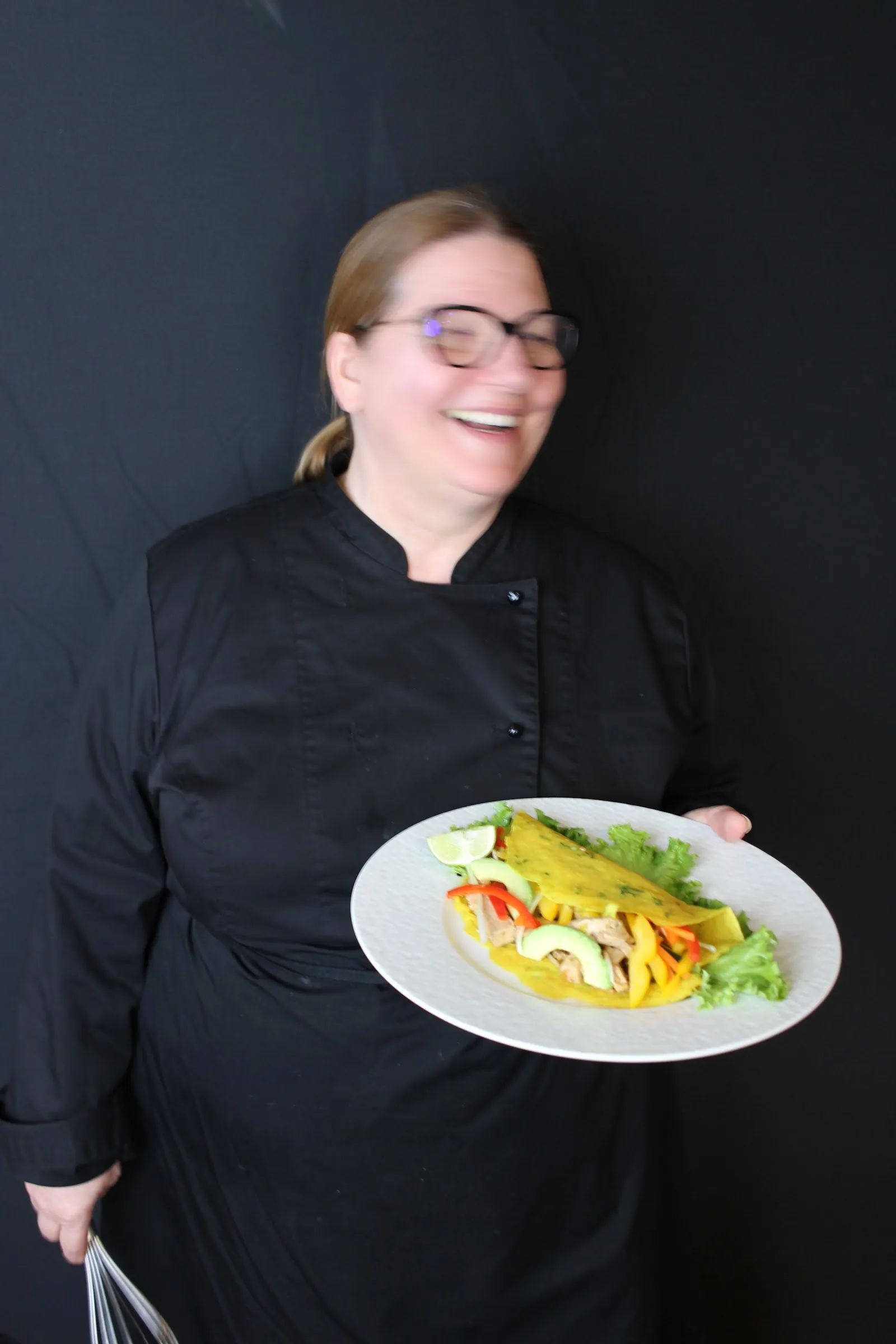
In class.